Catégories
etourism and technology Management Trends

Today’s customers influence tomorrow’s choices

The opportunity to review a lodging establishment, restaurant, transportation company or destination is no longer a privilege reserved to professionals. As part of the Web 2.0 phenomenon, consumers now have many opportunities to share their opinions and evaluations of their travel experiences with other consumers. Whether you are pleased or dismayed with this turn of events, more than ever, the customers you serve today are influencing those you will serve tomorrow.

Welcome to the world of personal reviews

Not so long ago, recognized travel guides like CAA‑AAA, Fodor’s, Frommer’s, Michelin, Mobil and others were the primary reference tools for consumers trying to judge the quality of a specific hotel or restaurant. Written by professionals, these works nonetheless conveyed a single point of view, updated annually and articulated by a critic following a standardized evaluation grid.

Recognizing the limits of these traditional guides and the potential of the Web, consumers have quickly taken advantage of technological platforms enabling them to share their reviews and evaluations of their lodging, transportation and dining experiences. Since the Web also makes it easy to share visuals, these consumer‑generated reviews have quickly adopted the use of photos and videos to better illustrate an individual’s impressions of a business or destination.

Leaders in the field

With over 20 million unique monthly visitors, Tripadvisor.com is currently the uncontested leader of consumer review sites. The site contains more than 5 million reviews of over 164,000 hotels in 24,000 destinations. Travellers seeking the opinions of fellow travellers have a number of options to choose from: My Travel Guide, IGoUGo, Travelpost, etc.

Specialized sites, like Skytrax, have even been developed to enable travellers to consult and write reviews specifically about the airline industry (airlines, airports, types of aircraft, on‑board meals, etc.). Furthermore, some popular sites featuring general consumer reviews, like www.epinions.com, have now added “travel” to the long list of products and services that can be reviewed by members of the public.

In light of the format’s popularity, major travel portals like Expedia, Orbitz and Travelocity have developed tools to enable users to post online reviews. For their part, major players like Cheaptickets and YahooTravel have opted instead for alliances, allowing them access to the peer review databases of partner sites.

The rapid growth of this mass‑audience Web‑based alternative has hurt publishers. To deal with the situation, some, like AAA, Fodor’s and Alastair Sawday, have chosen to add peer review sections to their websites.

Detailed evaluations and comprehensive reviews

To encourage consumers to write more specific reviews, the best systems ask users to evaluate various aspects of their experience. When it comes to lodging, reviewers are asked to rate the following: price, quality‑price ratio, cleanliness, location, service, reception, restaurant or bar, the pool or workout room, etc. This breakdown in the evaluation helps users develop a better idea of the product as it relates to their personal preferences and concerns.

Most sites also suggest that the reviewer provide a short personal description as well, which allows users to give greater credence to comments expressed by consumers with similar profiles. Some common descriptors are age, gender, purpose of stay, budget and previous travel experience.

Relevance and validity of peer reviews

Many people remain sceptical about this business model, which seems to allow people to write whatever they feel like with no validation process whatsoever. However, those running the sites feel that the sheer number of users and reviews helps ensure that these evaluations are both regulated and representative. In fact, when there are many evaluations, the overall average cannot be significantly affected by the addition of a single biased review. In any event, consumers appear to be more interested in establishments that attract a lot of reviews, regardless of whether these comments are positive or negative.

These sites are also starting to feature functionalities that let users rate the usefulness of a review or report a review as having inappropriate content. When a review is posted is another factor in its relevancy. In this respect, site policies vary when it comes to managing past reviews. Expedia only displays the 25 most recent reviews, Travelocity leaves all reviews online for one year and Trip Advisor never removes them.

Business responses to reviews

To enhance the integrity of its evaluations, TripAdvisor invites representatives of hotels, restaurants and tourist attractions to post responses to reviews of their establishments. This option is often very useful for informing travellers that a particular problem has been resolved (e.g., renovations are complete).

And should managers be tempted to invent fictitious customers to write glowing reviews of their establishments, they should know that the Sunday Times in England did a study of online reviews, leading to the discovery that some hotel and restaurant owners had done just that, a practice that severely tarnished their reputations.

Making good use of review sites

According to a survey conducted by the US firm HeBS (Hospitality eBusiness Strategies), over 81% of hotel owners feel growing consumer participation in generating Web content is a situation that can work to their advantage. Managers can use this new content (blogs, forums, virtual communities, social networks, review sites, etc.) to find out what their customers are really thinking. Quite often, monitoring customer‑generated reviews is more enlightening than using guest comment cards and less expensive than organizing a focus group.

The future of traditional rating systems

Given the popularity of consumer review sites, one wonders whether this new form of rating will replace the old system. For the consumer, traditional classifications are a simple way to quickly assess the array of services offered by an establishment and more easily determine its quality‑price ratio. However, if no ratings exist for a given service or experience, consumers are increasingly turning to peer reviews for help making their choices.

Sources:

Grossman, David. “Let your Fellow Travelers Be your Guide,” USA TODAY/Smith Travel Research [www.usatoday.com], June 25, 2006.
Lamb, Gregory M. “Next Wave of Travel Websites Feels Like MySpace,” eTurboNews, June 21, 2006.
Price, Jason and Max Starkov. “Consumer‑Generated Media, a Threat or an Opportunity?” ehotelier.com, December 13, 2006.
Swinford, Steven and Gareth Walsh. “Glowing Online Reviews by Hotels and Restaurants Dupe Customers,” The Sunday Times [www.timesonline.co.uk], November 12, 2006.

Catégories
Human resources Management

What’s to be done with your VIC?

The existence of the internet and the increased number of information tools available at destinations mean fewer queries are being addressed to VICs (visitor information centres) and tourist information desks. Many such information offices are becoming all‑purpose tourist service centres, just to survive. However, this may not be the solution for all. Perhaps some of them should focus on providing a truly welcoming experience.

Decrease in on-site tourist information requests

Thanks to the internet – the primary travel information and planning source – visitors arrive at their destinations better informed. That being said, many tourists are still interested in obtaining additional information and advice during their stay, which implies that visitor centres and tourist information offices still have a role to play. However, destinations now boast a wider variety of information sources:

  • increased commercial signage
  • better organized tourist information signs
  • increased number of display racks (for guides, brochures and flyers)
  • use of podcasts by many destinations
  • more hotels offering concierge services
  • advent of radio stations targeting tourists directly

Another increasingly popular option is the interactive terminal. By offering visitors fast, self-guided access to information, these terminals appeal to tourists who are less inclined to speak to a representative, increase the number of points of service and extend access to information beyond the usual business hours of information centres. These terminals can already be found in Europe (the photo pictures one in Brussels) the US and even in Canada. Given this situation, what is the role of tourist information offices?

One option: enhanced, diversified services

According to many information office administrators, visitors are now turning to them for more specific needs and services. This reality means staff must be better informed about regional products and capable of providing more specialized services. For example, visitor centres are providing information on the entire region, making hotel and restaurant reservations, and selling tickets for attractions, guided tours and local shows.

To attract more visitors, many information offices have also developed various commercial services (shops and restaurants). To preserve local flavour, some offices are focussing on shops and displays that promote and sell locally grown products as well as regional arts and crafts.

Finally, some tourist information offices are trying to become true windows on local tourism products by organizing exhibitions or holding events directly on site.

The guiding idea is that the information office becomes a « service centre ». Tourist information representatives should act as regional concierges, or super customer service agents capable of meeting a wide variety of requests, both tourism-related and not.

Examples of service centres

This approach is already in use in the US. A prime example is Philadelphia’s new $38 million multi-functional centre, the Independence Visitor Centre. There visitors can find:

  • concierge and reservation service for hotels and restaurants
  • information office, with a list of daily events
  • ticketing for local tourist sites
  • free, informative historical and orientation films
  • informative, touch screen computer kiosks
  • maps and brochures of parks, the city and the region
  • the Pennsylvania General Store Café
  • the Independence Store
  • and more

For a virtual tour: www.independencevisitorcenter.com/inside.htm.

There is also the Times Square information centre in New York City that, in addition to traditional tourist services (multilingual tourist counsellors, maps, brochures, etc.), also offers:

  • books, posters and other souvenirs of Times Square
  • coffee, snacks and refreshments
  • tickets for Broadway shows and sightseeing tours
  • a post office booth
  • an ATM
  • free internet access (courtesy of Yahoo)
  • a free digital photo sent to a friend (courtesy of Earthcam)
  • free electronic postcards (courtesy of Panasonic)
  • and more

Of course, having to offer such a wide variety of services puts extra pressure on the staff, who must adapt their equipment and work methods to ensure the quality of the services offered to the public. Also, it requires a major investment to be able to provide all these services. Therefore, this is not necessarily the ideal solution for all tourist information centres.

Calling all volunteers!

For many managers, just finding the staff to offer basic services is a major challenge. Unusual work schedules, seasonal fluctuations and a diverse clientele all make it difficult sometimes to recruit the necessary personnel. To meet this challenge, many destinations are training volunteers interested in welcoming visitors and sharing their passion for their part of the country. Destinations like Dallas and Vancouver are even recruiting directly on their websites.

In addition to saving money on salaries, this approach gives destinations access to a bigger bank of human resources and, more importantly, to increased community participation in welcoming visitors. Because tourists are looking for authenticity, real experiences and contact with the local culture, the presence of volunteers can help satisfy a tourist’s interest in mingling with locals.

Focus on welcoming rather than informing

If we try to define hospitality, it is often the little things that stand out – a handshake, a smile and receptiveness -rather than the service rendered. So rather than simply adopting the option of the ?super service centre,? information offices could focus instead on welcoming. Why not become an inviting, friendly place to be, that would also be frequented by locals?

Appropriately furnished and organized, these visitor centres could become drop-in centres, places where visitors and locals alike could meet for coffee, talk about what to do that day and share their experiences. Perhaps they could be places that tourists would want to visit, even if they did not need any information. After all, when they are far from home, tourists want to be thought of as friends, not strangers!

Source:
– Arseneault, Paul. « Accueil, information et interaction, » talk given at the Journées annuelles de l’accueil touristique 2006, October 26, 2006.

Catégories
Management

Is your destination in decline?

« Tell me who visits your destination, and I’ll tell you whether it’s in decline! » This was the bet made by Stanley Plog when he developed his model of matching traveller profiles with phases in a destination life cycle. When a destination is visited by large numbers of tourists, it has reached a critical phase in this cycle; to avoid decline, destinations must understand that tourism growth must be planned and controlled.

The life cycle of a destination: from discovery to decline

There are five different traveller profiles in Stanley Plog’s model: from venturers to dependables. According to Plog, these various tourist personality types are associated with phases in a destination life cycle because the type of tourist who visits a region indicates the area’s level of development, and in some ways determines its life cycle. Figure 1 illustrates the various phases in a tourist area’s life cycle (TALC), which were developed by R.W. Butler, Ph.D, in 1980.

Figure 1

MLa_talc


Discovery
During this phase, a little known destination is visited by the first venturers in search of new discoveries and unexplored areas. Through word-of-mouth, the area begins to attract more tourists.

Discovery – Development
Once venturers have begun exploring a destination, they are followed by near-venturers. This creates the first major wave of visitors who – because they are more demanding in terms of services – initiate real development.

Development
With the destination’s notoriety growing, the media, always looking for something new, show up in the region and enthusiastically report on its charm and cachet. This then « condemns » the destination to rapid growth and the arrival of so-called centric travellers. Growth continues and everyone is happy: the number and value of hotels increases; jobs multiply; government coffers overflow with taxes; many areas are enhanced; local stakeholders smugly congratulate themselves on finding a gold mine and believe that tourism is the perfect industry to ensure longevity and unlimited growth. By this time, venturers and near-venturers have abandoned the area and mass tourism has arrived.

This phase is crucial because when a destination is really booming, no one cares about planning or controls. For this reason, it is important to take action at this stage to manage development and define a long-term vision.

Maturity – Decline
Riding this wave of popularity, a destination is too often lax in its regulations: the number of hotels continues to grow; fast-food restaurants pop up everywhere; shops, movie theatres and other forms of entertainment multiply; wholesalers develop packages. The area starts to get « touristy » and there is unchecked development. The destination is unable to resist the easy money of tourism and unsustainable development. Under such pressure, the destination loses its distinctiveness and looks like any other destination. The centrics now stop coming and the near-dependables start to frequent the area. According to Plog, if 30% or more of a destination’s reservations come from package deals, the destination has begun a decline that will last for several decades.

Decline
Despite the boom, decline is now inevitable. The destination now only attracts dependables, who prefer to visit and revisit well-established known quantities. Though often more loyal, this clientele spends less, stays a shorter time and is less active. The destination becomes less lucrative. Deserted by the other tourist segments, the market gets smaller. Managers don’t understand what has happened because arrivals kept rising. The destination must then try to differentiate itself and reposition itself in the market.How many times has this happened? Emerging destinations suddenly become popular and then are ignored as travellers head to newly discovered destinations. Over-crowding leads to decline and a different traveller clientele, and then everything changes!

Obviously, Plog’s model does not apply to every destination, but it does provide food for thought. Furthermore, a destination may find itself in a different position on the curve depending on whether one is considering local, regional, national or international travellers.

Can decline be overcome?

According to Michael Leven, a 45-year hotel-industry veteran, only an earthquake can revive a product at the end of its life cycle. One way to overcome decline is for a destination to develop a new product to give itself a boost or reposition itself and change its marketing strategy. As an example, Leven points to the cruise industry, which languished for many years and then successfully rallied by developing products to meet the needs and preferences of different types of travellers, from Antarctic cruises to classic luxury cruises to thematic cruises.

The case of Costa Rica

A group of researchers from the Cornell University School of Hotel Administration used Plog’s model to examine the profile (behaviour and preferences) of American travellers to Costa Rica. From 1999 to 2003, the number of tourists in Costa Rica grew 20%, with Americans accounting for the biggest jump, 30%. The country’s beautiful landscape make it one of the most popular destinations in Central America and it definitely attracts more international travellers than its neighbours (Belize, Salvador, Guatemala, Honduras, Nicaragua and Panama).

With such an increase in tourist arrivals, one would say the destination is in the development phase. The study findings confirm this as well, indicating that the country is becoming more popular with centrics and that fewer near-venturers are visiting now. If Costa Rica wants to continue riding this crest, it must orchestrate its growth so as to avoid excessive or inappropriate development, because it enjoys a high profile as an ecotourism destination.

Plog’s model applied to US visitors to Canada

Although statistics show Americans are travelling abroad in record numbers, the drastic drop in their numbers to Canada could signal the decline of Canada as a destination. On the other hand, perhaps the exchange rate, the price of gas and upcoming heightened security measures are the only reasons behind this dip. Still, near-dependables and dependables (who make up the smallest percentage of the population) may continue to visit Canada, while the centrics (who make up a majority of the population) will abandon it for more exciting or attractive lands. It may be time for Canada to start courting other American states, revamp and reposition its product for its neighbours or even target other clienteles.

Maintain attractiveness, or perish!

If there were a magic formula, many destinations would have adopted it long ago. However, once a destination understands how the life cycle works, it can control development and maintain its ideal position. Here are a few suggestions:

  • Understand what makes the destination attractive and capitalize on its features and distinctiveness
  • Develop new products that reflect travellers’ changing socio-demographics and values
  • Become familiar with the profile of tourists
  • Plan and control development
  • Preserve the original character of spaces
  • Do not allow business to call the shots
  • Orchestrate marketing for the target clientele
  • Encourage locals to take part in the success of the experience (after all, residents don’t want to lose their quality of life and the things that make their community special)

According to Stanley Plog, destinations that do not plan their development are only harming themselves – by losing the charm that attracted venturers in the first place!

Sources:
– Enz, Cathy A. et al. « Competitive Destination Planning: The Case of Costa Rica, » Cornell University, Center for Hospitality Reports, Vol. 6, No. 12, October 2006.
– Plog, Stanley. « Why Destination Areas Rise and Fall in Popularity, » Cornell Hotel and Restaurant Administration Quarterly, Vol. 42, No. 3, June 2001.
– Weiermair, Klaus. « Le vieillissement – Une réalité qui s’impose aux destinations touristiques, » Espaces, No. 235, March 2006, p. 18-20.

Catégories
Management

Meeting DMO challenges

Responsible for developing and promoting tourism in their respective regions, destination management organizations (DMOs) are the backbone of the travel industry. Challenges await them as they consider new funding formulas, adopt new technologies, deal with heightened competition, and adapt to changing consumer needs.

Recognizing the importance of DMOs

Working in an industry composed primarily of small and medium-size businesses, DMOs are – first and foremost – « umbrella » organizations, working in a very heterogeneous environment. First-generation DMOs were simply public organizations funded entirely by government, and although this type of structure continues to predominate, many new forms have emerged at the national, regional and even municipal levels. 

In Canada, the Canadian Tourism Commission is an example of a public/private partnership, just like the national DMOs in the United Kingdom, France, Denmark and Australia. In countries like Germany, Italy, Greece and Portugal, the national DMOs are entirely publicly funded, while some destinations have taken the opposite tack, seeing government intervention as unnecessary and relying instead on natural market forces. This is the model that prevails in the US, the Netherlands and Japan. (In the case of Japan, the national tourism bureau was simply privatized.)

Moreover, a growing number of tourist destinations are establishing public/private partnerships to set up destination management systems. BonjourQuébec.com, an alliance of Tourisme Québec and Bell Canada, is one such example. The WTO and the United Nations Conference on Trade and Development (UNCTAD) both encourage this approach.

Need to adapt

In the constantly evolving world of tourism, DMOs must keep up with the times and adapt. According to Arthur Oberascher, CEO of the Austrian National Tourism Office, the major problem for DMOs is their traditional focus on supply, catering as they do to the interests of their member businesses. In fact, they must better understand demand so they can adapt to consumer needs. DMOs must take on the role of knowledge brokers, acting as information clearinghouses for consumers and suppliers alike. Ultimately, DMO managers, just like hotel managers, should have access to daily activity reports: inventories, customer and spending profiles, financial analyses, etc. As a matter of course, DMOs should be linked 24/7 in a communication network with destination suppliers. Although we are obviously not there yet, this gives us an idea of the direction we should be taking.

Furthermore, increased consumer use of the internet to research tourism destinations and purchase travel products is one of the major changes to the DMOs’ operational environment. DMOs have to consider this new consumer attitude and adapt to the digital information age. According to the WTO, while the majority of national organizations have e-commerce strategies, at least half of regional and local outfits do not.

Case study: East of England Tourist Board

In their desire to acquire market intelligence, DMOs, like those in Austria and the East of England, have begun to redefine their areas of activity. Assuming the role of intermediary, these organizations are acting as knowledge brokers by using information about consumers to help the businesses who provide travel products and services.

For example, the East of England Tourist Board uses Tiscover, a destination management system, to encourage tourism organizations to offer packages on their website. Called UNITE, the platform enables suppliers to easily create packages using a content management system. The tourist board offers ongoing training and support to users as they familiarize themselves with the technical requirements. In fact, the challenge is more cultural than technical, because most small and medium-size businesses are not very familiar with this form of marketing.

Founded in 1991, Tiscover acts as a destination portal for Austria, Germany, Switzerland, Italy and the United Kingdom.

Tourism New South Wales: using e-business application

Many DMOs wonder how to best communicate and transmit their product information to various international markets at a low cost. This was the challenge facing Tourism New South Wales (TNSW), a regional tourist board in Australia.

The tourist guide for Sydney and the New South Wales region is the single most important tool available to consumers planning a trip. Since it would be prohibitively expensive to send this 150+ page document to potential visitors from the Americas and Europe, TNSW instead turned to the private sector, partnering with OnlineDM and Sampson Carroll to publish an international, interactive version of the tourist guide.

This interactive brochure uses mobileBrochure technology, a platform developed by Mobular Technologies.

The format offers a number of attractive features:The documents created are much smaller than traditional PDF files. This means they can be emailed without clogging the bandwidth of either sender or recipient. For example, the email for an interactive 200-page catalogue would generally be smaller than 20 k.

  • The interface is very user-friendly, incorporating pull-down menus, regional content, a search engine, etc.
  • The format is embedded in an email and does not require any plug-ins, attachments or reader software.
  • Unlike hyperlinks, these documents are not HTML messages that redirect the consumer to a Website.
  • User interaction with Mobular documents can be thoroughly monitored; in other words, usage data are saved in real time and may be accessed by the sender through a dedicated password-secured site. With this feature, DMOs can find out how many people have consulted the document, what search terms are used most often, which regions attract the most interest, the most popular pages, and so on.

A number of DMOs – those in Wisconsin, Maine and San Luis Obispo County in California – have made this technology part of their marketing strategy. With vacations increasingly planned at the last minute and traditional travel guides only consulted once travellers are on-site, e-brochures are a logical solution.

Sources:

– Delgado, Joaquin A. and Maggie Bowen. « DestinationFinder: A Travel – Focused Search Engine, Portal and Recommender System for the DMO Marketplace, » talk given at ENTER 2004.
– Gretzel, Ulrike and Daniel R. Fesenmaier. « Information Technology Use and Organisational Approaches: A Comparison of Destination Marketing Organizations in the United States and Canada, » National Laboratory for Tourism and eCommerce, 2002.
– Mintel Group. « Destination Marketing, » Travel & Tourism Analyst, No. 5, April 2005.
– Travel Research International. « Roles and Responsibilities in Tourism Support and Promotion in the Yorkshire and Humber Region, » prepared for Yorkshire Forward, December 2003.

Catégories
Facts and figures Geographic markets Management

Number of tourists or tourism revenues?

Should tourism-industry growth be measured in international arrivals or in economic benefits? Which category would we rather be performing best in? Where does Canada stand in the stats? In a country-by-country comparison, we realized we were on the wrong track in trying to analyze the increase in international tourism revenues in 2004 compared to 2003.

Baffling figures

The World Tourism Organization (WTO) reported that – after declining for three consecutive years – international tourism revenues rose 9% in 2004, while also making it clear that this increase was expressed in local currencies at constant prices, thus neutralizing the effects of exchange rate fluctuations and inflation.

When you look at the 2004 growth of international tourism revenues over 2003 in US dollars (WTO statistics), there is much to be amazed by!

  • Worldwide, the increase was 18.8%.
  • Asia-Pacific posted an increase of 31.8% and the Middle East 24.8%.
  • In Europe, only one country (Hungary) posted growth of less than 10%.
  • In Asia-Pacific, a majority of destinations (12 out of 15 countries) experienced an increase of more than 20%.
  • Canada can be thrilled with a 21.8% increase in tourism revenues.

However, when you look at the 2004 growth of international tourism revenues over 2003 in euros (WTO statistics), there is much to be disturbed by!

  • Worldwide, the increase was 8%.
  • Asia-Pacific posted an increase of 19.8% and the Middle East 13.5%.
  • In Europe, only two countries (Ukraine and Poland) posted growth of more than 10%.
  • In Asia-Pacific, just under half the destinations (six out of 15 countries) experienced an increase of more than 20%.
  • Canada did well with a 10.7% increase in tourism revenues.

In light of these statistics, it becomes difficult to compare revenue growth rates among countries. In effect, if the yen gained more ground against the euro over the year than the Canadian dollar did, the growth rate reflects the change in the exchange rate as much as the change in revenues. It would be fairer and more illuminating if the revenue statistics were produced in local currencies and constant prices.

In which category do we want to perform best?

France was the No. 1 destination in the world in international arrivals, but third in tourism revenues. And not only did France post the worst showing in terms of average spending per international arrival among the top 12 revenue-makers, it performed worse than many other destinations as well. Conversely, the US was third in arrivals, first in revenues, and did very well in average spending (Table 1).

Unfortunately, the lack of statistics on such factors as length of stay prevents a more precise picture of the situation. But other interesting points emerge from juggling the statistics (tables 1 and 2):

  • The US had 38% fewer arrivals but 45% more revenues than France. The tourist visiting the US spent three times more than in France, or $1,616 US versus $544 US.

  • The US and Germany did well in all three categories (revenues, arrivals and average spending).

  • In 2003, Australia was the top performer in average spending, according to the statistics (4.4 million arrivals, $10.3 billion US in revenues, average spending of $2,370 US). In 2004, it was in 10th position in revenues, but did not make it into the top 20 in arrivals (the Netherlands was in 20th place, with 9.6 million). It essentially posted the same revenues as Canada, with four times fewer arrivals than Canada.

  • Japan and Belgium (2003 arrivals data) were in the top 20 in revenues (in 20th was Malaysia, with $8.2 billion US), but did not make it into the top 20 in arrivals. Their ratio of average spending was obviously very high.

  • Although they didn’t make it onto the list of top 20 revenue earners, many countries (Table 2) managed to turn in better performances on average spending than some of the top 20 revenue-earning countries.

  • Hong Kong, Poland, Hungary and Ukraine, all in the top 20 in arrivals, fared poorly in average spending, at less than $500 US.

  • Despite six million arrivals, Tunisia did not manage to generate substantial economic spin-offs, with average spending of just $318 US per international arrival.

  • With average spending of $702 CAD in 2004 (3.3 million foreign tourists and 2.3 billion CAD in revenues), Quebec surpassed the Canadian average.

What should we conclude?

When figures show France can be proud of recording 75 million international arrivals but that it managed to obtain an average spending rate of only $544 US, you have to ask yourself if the statistics speak for themselves, if they should be challenged, if information essential for accurate analysis is missing, if the methodologies were consistent?

An analysis of the data leads to the conclusion that more arrivals do not necessarily equal more revenues. In this vein, many countries would like visitors to spend more.

In the UK, the Office for National Statistics recorded an 11% increase in tourists in 2004 (27.3 million) compared to 2003, and an 8% gain in revenues (£12.8 billion). Despite these positive results, VisitBritain is obviously working to raise visitor numbers, but in particular to boost how much they spend.

Among the leading destinations, Italy had a relatively poor 2004 compared to 2003. The 2.2% dip in the number of overnight stays (336.8 millions) and the 2.4% decline in the average length of stay (4.06) cast a shadow over the revenue picture.

The situation was similar for tourism professionals in Spain, where « fewer tourists and more profitability » has become the new credo of major hotel chains and others in the industry. Government officials also feel it would be better to have fewer tourists, but for longer stays. Visitors numbers advanced 3.4% in 2004 (53.6 million), but revenue volume did not keep pace, constituting a drop in average spending.

In Quebec, the Association touristique régionale (ATR) de la Gaspésie faced a similar situation: while tourist numbers rose, visitors were not staying as long or spending as much as previously. To counter the problem, the ATR increased its presence in promotional markets, invested in training programs based on the client approach, and launched a « Quality » initiative.

Obviously, the methodology and recording of data can differ from country to country, making comparisons difficult. But beyond the figures, the question remains interesting: is the goal to attract more tourists with all the consequences of that, or is it to increase economic benefits in a perspective of sustainable development?

Sources:

– Alves, Jose. « L’Espagne remet en cause son modèle touristique, » Les Échos, No. 19338, January 27, 2005, p. 26.
– McGrath, Ginny. « Britain Needs Big Spenders, » Travelmole, February 9, 2005.
– World Tourism Organization. « Tourism Highlights, » 2005 edition.
– Voilà.fr. « L’Italie a connu une mauvaise année touristiques en 2004, » [www.voila.fr], February 11, 2005.

Catégories
etourism and technology Management

Price customization: bold… or deceptive?

Is it farfetched to believe that an online shopper’s browsing history could affect a travel site’s search results? It most certainly is not. Although the internet gives consumers a powerful tool for easy price comparisons, the downside is that it also enables retailers to collect detailed information about online shoppers’ spending habits. Thanks to the internet, businesses can now use a myriad of new approaches to efficiently adjust their pricing to increase profit margins.

Warning, you’re being tracked!

Thanks to browser technology, businesses now have the ability to store profiles of their customers’ buying habits, preferences, financial resources, and so on. Some companies judiciously use this type of strategic information to adjust their pricing according to a user’s profile.

According to Charles Leocha, a journalist for MSNBC.com, online travel agencies like Expedia use sophisticated software and browser cookies to analyze customers’ previous transactions. This means a consumer’s search results can vary according to the profile recorded. For example, if a particular consumer is shown more higher-priced fares – or fewer discounted fares – it could be because the system has identified him or her as a « good customer » who is more likely to purchase higher-priced items. In fact, this is a subtle way of preventing certain types of consumers from purchasing lower-priced items. It’s a little like banning well-heeled shoppers from dollar stores!

A concrete example

Although this type of marketing practice may seem like a paranoid example of Big Brother at work, it is nonetheless closer to the truth than to fiction. Online travel agencies may insist that such biases don’t exist, but our experience shows otherwise.

To test the truth of this hypothesis, we conducted a test with members of the Tourism Intelligence Network team. We ran a simple search on the Canadian Expedia site for a plane ticket from Montreal’s Dorval Airport to Paris’ Charles de Gaulle Airport, departing January 8, 2006, and returning a week later on the 15. However, our three searches, conducted simultaneously on three different workstations, produced three different results (see illustrations).

Profile 1

In the case of Profile 1, the lowest price offered was $800 for a connecting flight or one with 2 stops or more, with no direct flight option. As for Profile 2, the lowest price displayed was once again $800, but this time, we were offered a non-stop flight for $978. Finally, Profile 3 was offered a flight for the somewhat surprising price of $699, in other words, $101 less than the other two! And yet, it was the very same US Airways itinerary, with exactly the same departure times.

Profile 2


Profile 3

Read the fine print

Expedia’s policy with regard to using information collected from customers is as follows:

«Expedia.com collects certain technical information from your computer each time you request a page during a visit to Expedia.com. This information is collected from your computer’s Web browser to enhance your experience on our site…»

Few consumers are aware that retailers are able to manipulate online shoppers’ personal information to conduct what some experts call « psychological marketing. » The Annenberg Center at the University of Pennsylvania examined this phenomenon in a study entitled Open for Exploitation, released in June 2005.

The study’s results demonstrated the naiveté of US online consumers, 68% of whom believe price comparison sites like Expedia and Orbitz are required by law to display the lowest available price. Furthermore, 87% of the people surveyed said they strongly object to online retailers offering different prices for the same product, depending on the information gathered on customers’ shopping habits.

Somewhat questionable, but still legal. Use with care.

Price customization is therefore a very real practice and, contrary to popular opinion, it is entirely legal. As long as discrimination is not based on factors like race, religion, nationality or gender, there is no problem. Such approaches have been around for a long time, like discounts for students and seniors, for example.

This type of strategy is a legitimate business tool because it follows the trend of yield management and companies must satisfy the needs of shareholders. Although businesses that offer a flat price at all times may satisfy their clientele, they will definitely deprive themselves of a higher profit potential.

There’s nothing new about dynamic pricing. The major difference stems from the fact that the internet offers businesses a number of new ways to efficiently adjust their pricing. Since consumers are still not very aware of the incidence of price customization, businesses employing this strategy must be very careful not to cause dissatisfaction and erode customer loyalty.

The internet unquestionably offers businesses an opportunity to acquire highly relevant and strategic information about their customers and thereby target different market segments with different prices for the same product. Technical tools enable retailers to study not only the purchasing behaviour of online shoppers, but also their non-purchasing behaviour, in other words, their information searches.

In today’s context where the internet plays an increasingly important distribution role in relation to global distribution systems (GDS), more and more travel agencies are going online to find prices. This raises another question: what happens when travel agents consult the internet on behalf of their clientele? Could such agents be penalized due to their frequent use of sites that employ dynamic pricing?

Tourism-based businesses with the technological ability to do so must ask themselves a key question: is it profitable to take advantage of our clientele’s electronic profiles to implement dynamic pricing?

A double-edged sword

Retailers trying to determine their web strategies in relation to dynamic pricing must define these strategies with great care. For example, is it better to offer lower prices to customers who visit the site frequently, but rarely buy, or to those who are loyal and rarely shop elsewhere? It is a difficult question because, in fact, a business could decide to offer higher prices to loyal return customers, gambling that their loyalty will blind them somewhat and make them unlikely to shop elsewhere. Or the same business could just as easily adopt the opposite strategy, in other words, reward loyal customers by offering them the lowest prices possible.

The stakes are high because bad decisions could cause a business to lose many customers. On the other hand, automatically rejecting any type of dynamic pricing is also a way to miss out on some lucrative profits that would be difficult to make in other ways. To make an informed choice, retailers must look at all the parameters that could help guide them. In particular, they should not only consider the frequency of a customer’s site visits, but also the time of year, the type of products purchased, the profit margin on previous transactions, etc.

Possible backlash

Since the practice of dynamic pricing is in its infancy, businesses can still take advantage of the fact most consumers know nothing about it. However, in the longer term, organizations that rely too heavily on this approach could well pay the price.

One possible risk is an increase in the number of intermediaries created to fight back against businesses « guilty »of too much greed. Although the goal of such initiatives would be to denounce abusive practices, they could also, for example, rank travel websites according to their level of « honesty » and try to protect customers – or even steer them away – from businesses seen as too manipulative.

Although it is difficult to accurately assess the extent to which dynamic pricing is used in Quebec, we can safely assume that few organizations have adopted it as yet. Although companies are technically capable of amassing a ton of information about their online customers, very few do so in order to analyze it, while others simply do not have the resources needed to efficiently collect this type of information.

Managers will definitely have to weigh the pros and cons before blindly adopting dynamic pricing. However, there is an amazing wealth of strategic information that can be gleaned by analyzing online clicking behaviour. Without going so far as to customize pricing, businesses could benefit – at the very least – from learning more about their site visitors, whether they buy anything or not.

Sources:
– Elliott, Christopher. « A Low-Fare Browser? », National Geographic Traveler, July-August 2005.
– Feldman, Lauren, Joseph Turow and Kimberly Meltzer. « Open to Exploitation: American Shoppers Online and Offline », Annenberg Public Policy Center of the University of Pennsylvania, June 2005.
– Knowledge@Wharton. « What Consumers – and Retailers Should Know about Dynamic Pricing », Hotel News Resource [www.hotelnewsresource.com], December 2, 2005.
– Kontzer, Tony. « Online Shoppers Growing Wary Of Sharing Data », InformationWeek, August 15, 2005.
– Ramasastry, Anita. « Web Sites Change Prices Based on Customers’ Habits », CNN [www.cnn.com], June 24, 2005.
– Ramasastry, Anita. « Websites That Charge Different Customers Different Prices: Is Their ‘Price Customization’ Illegal? Should It Be? », FinLaw, June 20, 2005.

Catégories
Human resources Management

Mobilize your staff to surpass customer expectations!

In today’s very competitive marketplace, many tourism-based organizations would like to differentiate themselves by trying to provide service that surpasses customer expectations. If they are to succeed, these businesses must first mobilize their human resources to offer customers superior service quality and a distinctive experience.

With customer service now the cornerstone of a value-based, rather than cost-based, approach, managers of tourism-based businesses must successfully mobilize their staff to afford visitors a quality experience. Mobilizing staff can also help improve job satisfaction – and satisfied employees offer superior quality service!

Managers wishing to mobilize their employees can choose from various human resource management approaches: staff involvement, participatory management and employee empowerment are some of the most common. The Quebec tourism industry offers the following definitions – and concrete examples – of each approach:

Involvement: Rules, procedures and activities to help employees better understand the organization and its issues so they can support and contribute to the achievement of its goals.

An example of this management approach is the use of staff memos and meetings to communicate the company’s position, performance, challenges, specific objectives and action plans. By increasing employee awareness, management helps employees understand their role or function within the organization; this, in turn, helps create or strengthen their sense of usefulness and belonging.

Participation: Rules, procedures and activities used to offer employees opportunities to influence or take part in organizational decisions – at least those that affect them directly. Typical of this type of approach are staff committees, suggestion boxes, employee surveys, etc.

In Quebec, for example, the Novotel Montréal Centre has made this method part of its recruitment process. Regardless of the position to be filled, three staff levels are involved in hiring interviews:

  • the head of the department involved: to verify the candidate’s technical skills
  • the hotel manager: to verify the candidate’s attitude
  • an employee occupying the same position (to verify the candidate’s attitude and skills)

To be hired, candidates must receive positive evaluations from all three interviewers. The goal is to ensure low staff turnover and it seems to be working: staff turnover at the Novotel Montréal Centre is only 19% compared to Montreal’s hotel industry average of 49%. Furthermore, employees have also developed a strong sense of company pride and allegiance.

Empowerment: Rules, procedures and activities used to give employees greater latitude by granting them discretionary power in their jobs so they can better achieve corporate goals. In terms of customer service, the concept of empowerment is most often employed to help resolve problems experienced by customers.

For example, at Parc Safari in Hemmingford, all employees – regardless of their position in the organization – have the power to offer guests (customers) who are dissatisfied with some aspect of their stay a free pass for a return visit to the park.

At the Hilton Lac-Leamy in Gatineau, the concept of « dream service » allows hotel employees to pamper guests with certain rewards (a free drink, for example) without having to obtain authorization from management. The approach has been so successful, it has been extended to the entire Lac-Leamy complex (hotel, casino, casino theatre and convention centre).

Satisfaction and loyalty

According to a recent study by Maritz Research, and contrary to what some in the hotel industry may believe, the pro-active approach of surpassing customer expectations is more effective at encouraging customer satisfaction and loyalty than the problem-solving approach. In fact, customers who enjoy a problem-free experience that exceeds their expectations are more likely to come back, or refer the company to a friend, than are customers who encounter a problem during their stay, even if the problem is solved more effectively than the customer expects.

Further, professors Anthony J. Zahorak and Roland T. Rust of Vanderbilt University in Nashville recently conducted a study on customer satisfaction showing that 25% to 40% of so-called « satisfied » consumers would still not return to a business where they had enjoyed an experience that was merely satisfactory.

This surprising piece of information illustrates that today’s businesses cannot survive if they simply aim for customer satisfaction. Certain well-informed and experienced market segments are curious and increasingly demanding, which means managers must now identify new ways to surprise and attract customers.

Shep Hyken, a professional speaker and author in the US, has an interesting suggestion for businesses: create « demanding customers. » By setting a high standard of service, a business helps create demanding consumers. If such customers decide to do business with a competitor, they will expect the same service quality they have become accustomed to; the higher the bar, the harder it is for consumers to find another business able to satisfy their needs and the more likely they are to remain loyal!

« It is the service we are NOT OBLIGED to give that people VALUE the most! »

– James C. Penny –

Sources:
– Conseil québécois des ressources humaines en tourisme and Tourisme Montréal. « Recherche et analyse de bonnes pratiques en ressources humaines – Destinations métropolitaines en Amérique du Nord, » April 2005.
– Hyken, Shep. » Building Customer Loyalty, » [www.hyken.com], no date.
– McGunnigle, Peter.  » Resource Guide to Employee Empowerment, » Hospitality, Leisure, Sport and Tourism Network [www.hlst.heacademy.ac.uk], no date.
– Orilio, William. « SERVICE – Boy, do customers know it! » e-hotelier [www.ehotelier.com], December 2, 2004.

Catégories
Facts and figures Geographic markets Management

Statistics are not always what they seem

Everyone – those in the industry, government bodies, academics, journalists and more – uses statistics from the World Tourism Organization and Statistics Canada, thereby contributing to the dissemination of this data. However, a closer look at these statistics reveals that things are not always what they seem. Methodological considerations aside, here are a few examples of what these statistics do not tell us!

Canada may no longer be one of the WTO’s top ten international destinations, but… when it comes to the tourism statistics produced by the World Tourism Organization (WTO), the data collection methods differ from one country to the next.

When compiling tourism data, some countries only count tourists, others include both tourists and same-day visitors, while still others report one tourist more than once during a single visit, because the tourist is counted each time he or she stays in a different hotel (see the table below).

If all countries used the same data collection method, the WTO’s infamous international ranking would be much different and Canada’s position would rise. Currently ranked 11th, Canada compiles its statistics using the TF method (see table), in other words, by simply counting the number of international tourists who enter its borders. The United Kingdom and Hong Kong, ranked 6th and 7th respectively, include both tourists and same-day visitors in their numbers (VF method). If Canada used the same method (tourists and same-day visitors) as the United Kingdom (27.7 million) and Hong Kong (21.8 million), it could add the 17.8 million same-day visitors who entered by car in 2004 to its 19 million or so international arrivals and thereby surpass both in the ranking. Germany and Austria, which rank 9th and 10th, employ the TCE method to compile their data, which means that if a single tourist stays in four different hotels during his or her stay, he or she is counted four times.

Tourism receipts: local currencies vs. US dollars

The WTO reports international tourism receipts in US dollars and in local currencies at constant prices. When tourism receipts (in yen, pesos, Euros, etc.) are converted into US dollars, figures can be compared and analyzed and used to create an international ranking. However, expressing receipts in local currencies at constant prices neutralizes the effect of exchange rate changes and inflation. When the US dollar depreciates against a given currency, this situation can inflate tourism receipts converted into US dollars. For example, Spain’s tourism receipts climbed 14.1% from 2003 to 2004 when expressed in US dollars, while they rose only 3.8% when expressed in Euros (the local currency). The same thing was true for Australia. Its receipts jumped 25.5% in 2004 when they were converted into US dollars, but climbed only 10.7% when they were expressed in constant Australian dollars. In addition, international tourism receipts include revenues generated by both tourists and same-day visitors.

Tourist activities

Statistics Canada has developed a special tool for finding out how many people engage in a given activity when travelling, but the Canadian Travel Survey (CTS) and the International Travel Survey (ITS) have different ways of reporting the number of participants. For example, let’s say that three people took a trip together. During their stay, one of them went shopping while the other two played golf.

  • ITS – Regardless of which person in the group answers the survey, Statistics Canada will count 3 people as shoppers and 3 people as golfers.
  • CTS – If the person answering the survey is the one who went shopping, then Statistics Canada will count 3 people as shoppers and 0 as golfers.
  • CTS – If the person answering the survey is one of those who played golf, then Statistics Canada will count 3 people as golfers and 0 as shoppers.

A solo traveller is, by definition, a person travelling alone…or is it?

Statistics Canada has a very different definition of solo traveller. According to the CTS, a person is considered to be travelling alone if they are not accompanied by someone from the same household. Therefore, a person is reported as a solo traveller even if:

  • he or she is accompanied by a family member (mother, daughter, brother, etc.) who does not live under the same roof,
  • he or she is travelling with friends, or
  • he or she is on a group tour package.

For the ITS, the method is different. People are only considered to be travelling alone if they are unable to provide any information on the expenditures and activities of the people accompanying them or if they are part of a group. However, as of 2005, the CTS was replaced by the Travel Survey of Canadian Residents, which uses the ITS definition of a person travelling solo.

Statistics will never look quite the same

When the WTO publishes its Top Ten, the data is disseminated around the globe without a word about the differences in collection methods. Statisticians must obviously work with a number of limitations if they wish to make sense of the information they gather. However, a closer look at the methodology sheds new light on the mishmash of numbers known as statistics and the way in which they are interpreted!

Sources:
– World Tourism Organization. [http://www.world-tourism.org/facts/menu.html]
– Statistics Canada, Canadian Travel Survey
– Statistics Canada, International Travel Survey
– Statistics Canada, International Travel, Advance Information, December 2004, vol. 20, no. 12, released February 2005.

Catégories
Distribution networks Management

Make your pricing scheme work for you

Although business-people often tend to set the price of their products by looking at the cost and the desired profit margin, this is by no means the optimal approach to pricing because it does not take into account what each market segment is willing to pay. For Yves Cornu, a consultant with Capgemini, managers must change their attitudes towards pricing if they want to improve business profitability. Welcome to the world of dynamic pricing!

Blame it on the GDS

In the travel industry, the arrival of the GDS (global distribution systems) led to the first dynamic pricing strategies, also known as yield management, by enabling travel agencies to easily compare prices among competing companies. The advent of the internet has simply encouraged this comparison phenomenon. In an environment of virtually transparent pricing windows, dynamic pricing is even more important. Certain experts make a distinction between dynamic pricing and yield management; the former is a pricing strategy defined over the medium or long-term, while yield management uses this approach in the short-term.

Adopting dynamic pricing

An effective dynamic pricing strategy can help improve the profitability of a business. The traditional approach of many managers was to prioritize cost-cutting to increase profit margin. In today’s more open business environment, the idea of adopting a well-defined pricing strategy for one’s product has become a very interesting alternative. According to the firm of Simon Kucher & Partners, a pricing specialist, dynamic pricing can increase net profitability by anywhere from one to four percent.

With the help of technology, many hoteliers like Hilton and Intercontinental have recently adopted a much more dynamic approach to pricing. Jim Kilroy, vice-president of Starwood Hotels, feels traditional pricing models based on ceiling rates are a thing of the past and hotels should be more responsive to the market.

Before testing the waters of dynamic pricing, Xavier Marcé of XMO Consultants suggests that businesses follow the guidelines below to increase their chances of success:

  • Find out how your clients react to fluctuations in price. It’s also important to realize that demand is composed of several blocks and that it can fluctuate according to market segment, originating market, dates, etc. During certain high seasons, it is much less flexible.
  • Be familiar with what your competitors are offering. You must know who your prime competitor is before you can develop an effective price strategy. For example, the Montréal Science Centre recognizes that the Biodome offers more direct competition than an ordinary museum does.
  • Adapt your products and services to your customers’ expectations. When you are knowledgeable about your customers, you can adapt your products to specific segments. Ski areas, for example, attract retirees by offering special season passes that can only be used outside peak periods.
  • Identify demand for each period of the year. The travel industry is subject to major seasonal fluctuations in demand. Since this problem will always exist, detailed knowledge of the phenomenon’s extent, combined with dynamic pricing, can attenuate the effects.
  • Select the ideal distribution channels. While the internet has definitely encouraged an increase in direct sales to consumers, it has also created a greater number of sales channels. Online sales are a particularly flexible and responsive method of marketing one’s wares. Selecting your distribution channels also means selecting the partners who will act as intermediaries. For example, many hoteliers have regretted their decision to join forces with online agencies like Expedia that use the merchant model, because this has translated into a loss of control over the online sale of their rooms.
  • Set price barriers. By making certain prices conditional on specific situations, you can avoid losing some of your traditional customers who might be attracted to discounts. For example, offering an « early-bird » special can help counteract the effects of « last-minute » deals while maintaining less price-sensitive customers who will simply reserve later. You can also restrict the availability of products at certain prices. Finally, a method commonly used in the airline industry is to limit the options of changing or cancelling in the case of certain discount products.

Many advantages

Improving one’s pricing process is clearly more advantageous than trying to cut costs. First, it does not require a large financial outlay. Second, a new pricing strategy generates immediate results and can quickly enhance cash flow. Third, dynamic pricing usually creates a more substantial impact than simple cost-cutting.

It is also important to remember that one must never compromise product integrity. After all, for potential buyers, price is still closely related to quality and – above all – to perceived value. Consumers can be annoyed if prices are constantly being cut or products put on sale. Studies have shown that, even during a crisis, it is not profitable to drop one’s prices.

Although it may not be a science, dynamic pricing requires thought and deliberation on the part of managers so their organizations can adopt consistent strategies that reflect their corporate philosophies.

Sources:
– Boehmer, Jay. « Hotels Float Rate Change: Chains Attempt to Expand Dynamic Pricing to Corporate Travel, » Professional Pricing Society [www.pricingsociety.com], August 2, 2005.
– Brault, Franck and Sabrina Brouzes. « Le pricing dynamique, une formidable opportunité pour les tour-opérateurs, » Revue Espaces, No. 226, May 2005.
– Cornu, Yves. « Un produit n’a pas un coût, mais un prix! » Revue Espaces, No. 226, May 2005.
– Marcé, Xavier. « Les entreprises touristiques découvrent l’art du pricing, » Revue Espaces, No. 226, May 2005.
– Serlen, Bruce. « Hotel Rates Go Dynamic: Hilton, Intercontinental End Fixed Pricing, » Business Travel News [www.btnmag.com], October 18, 2004.
– Simon, Hermann and Kai Bandilla. « Maîtriser la chaîne des prix pour accroître ses profits, » Revue Espaces, No. 226, May 2005.

Catégories
Management

Cookies, vacations, and other choices…

Many people believe that consumer satisfaction in every conceivable area will automatically increase with the number of choices – but not Barry Schwartz. In his book The Paradox of Choice: Why More Is Less, he explains that the more alternatives people have, the more stressed-out and indecisive they become as they struggle to make the best possible choice. This belief was confirmed in a taste test, where those consumers who were offered a four-fold increase in jam choices registered a decreased purchase rate.

Who has the time to choose?

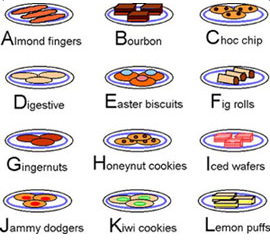
We are constantly dealing with choices. American supermarkets stock 285 different kinds of cookies, 21 of which are of the chocolate chip variety. The drug store has 40 kinds of toothpaste, there are 110 choices of TV (high definition, different kinds of screens, sound quality, etc.) – and it’s the same story, from insurance to jeans, and even for schools. And now, there is a dizzying array of rates and airline companies waiting to whisk you off to your destination, as well as hundreds of activities offered closer to home, on which people can spend their free time – if they have any left!

People associate choice with the independence, freedom and power they confer. It would seem evident that the opportunity to make more and more choices in every conceivable area would tend to increase consumer satisfaction. However, according to Barry Schwartz, the opposite is true: people think they want to have more choice but – the more they have, the less satisfied they are with the choices they make.

 MLa_biscuits

Who has time to look at the 300 different kinds of cookies on the supermarket shelves before making a decision? When faced with such overwhelming choice, the consumer will usually purchase his regular brand, without paying the slightest attention to at least 75% of the brands clamouring for his attention and his grocery dollars.

Too many choices negatively affect consumers

Human nature being what it is, too much choice makes us stressed out, unhappy and dissatisfied. Why? Because we don’t have the time or the information to make an informed decision. Suppose it turns out to be the wrong decision? Suppose I could have found something better? Will I end up regretting my choice?

Modern consumers end up putting more effort in making a decision, and less into enjoying the results. And while it’s true that choices made in the cookie aisle are not earth-shattering, the higher the amount of money involved, the more important the decision becomes. For example, how can anyone make an informed decision about which cell phone to buy? By the time you’ve compared the vast array of models, options and plans available, the technology will already have changed!

In this context, two types of personalities emerge: the « maximizer » (the one who makes every effort to find the best possible option in terms of price and quality) and the « satisficer » (who establishes criteria to reduce the number of possibilities and thus facilitate the decision-making process).

Schwartz maintains that it,s better to be a « satisficer », since his way of thinking leads to less dissatisfaction. After all, do we really need the best product in every single category, along with all the stress that searching for it involves? Or could we simplify our life by settling for a « good enough » kind of choice that we can live with?

What if we applied the « jam principle » to tourist products?

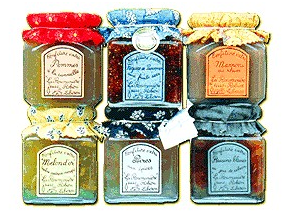
Living as we do in a society with extremely varied tastes, it is natural to suppose that if merchants limit their offerings, they are likely restricting their potential clientele. However, this statement is only partially true, for a greater number of products does not necessarily translate into higher sales, as illustrated by the following test, in which consumers were asked to taste different kinds of jam and then decide whether or not to buy them.

Close to one third of the people who only had to choose between six kinds of jam bought a product. When the number of choices was increased to 24 ? with the obvious intention of appealing to a greater range of tastes ? the purchase rate dropped to 3%! It seems that the stress of having to choose between so many products outweighed any interest the consumer had in acquiring the product.

MLa_confiture

If more choice attracts more people, but fails to persuade them to buy, then merchants have not accomplished their primary objective of making a sale. Barry Schwartz believes most people are comfortable choosing between 6 to 12 different alternatives. Here are a few ways we can put into action the lessons to be learned from this paradox of choice:

  • Restrict choice. On your brochures or website, group products according to theme. Or, show only your top 5 to 10 products on the site, and provide a link where customers can go to see more. Try it; the results will surprise you.
  • Facilitate choice. Faced with a confusing array of products, the consumer needs help making a choice; the merchant who can quickly and simply convey the advantages or distinctive features of a certain product has made the consumer’s life easier and beat out the competition. The best price guarantee instituted by many large hotel chains to attract internet users to their sites is an example of this approach.
  • Provide positive reinforcement. Once the sale is made, many clients agonize over their decision. This is the time to deliver some positive reinforcement; provide your client with some solid reasons for his choice, so he has can counter his neighbour’s claims that he paid half as much for something twice as good.
  • Target specific markets. Faced with such a multitude of products and the difficulty of making a choice, the client must restrict his alternatives. Faced with a multitude of clients – and the difficulty of differentiating his product from the many competing products – the merchant must follow the same approach: he must focus his efforts on reaching the people most likely to be interested in his product, i.e., segment his clientele.

Sources:
– Hurst, Mark. « Interview: Barry Schwartz, author, -The Paradox of Choice », [www.goodexperience.com/blog/archives/2005_01.php#000106], 20 janvier 2005.
– Pollack-Pelzner, Emma. « You Choose, You Lose – Does the Freedom to Choose Make Us Unhappy? », The Yale Review of Books, vol. 8, no 1, hiver 2005.
– Schwartz, Barry. « Excerpt – The Paradox of Choice », USA Today, 16 janvier 2004.
– Solman, Paul. « The Paradox of Choice », [Online NewsHour], 26 décembre 2003.