Catégories
Sustainable tourism Trends

Trends in Food Trucks: The use of local food

Local food consumption as a consumer trend

In recent years, there has been a visible shift in the demand and consumption of local and organic food. Local foods can be defined as food consumed within 100 miles of where it was produced (Hodges, Stevens, & Wysocki 2014), while other foods travel an average of 1500 miles before it reaches the consumer (Schnell, 2013).

Some of the benefits of eating local include product freshness, enriched flavour, higher nutritional and vitamin values. Research suggests consumers are aware of the benefits of consuming local foods and are willing to pay for it. Results of a recent study done in Florida shows the average spending per consumer on local foods were $43 a month in restaurants (Hodges et al., 2014).  

Do food trucks use local?

The Food and Agriculture Organization of the United Nations has recently confirmed that street food is being consumed by almost 2.5 billion people daily (Culinary Schools, 2013). The popularity and increase in numbers of this type of mobile operation has gained exposure and interest from customers in recent years.

This is mainly due to the increasing need that diners have for inexpensive, fast, and high quality gourmet food. Although this trend is increasing in restaurants, has the trend been noticed in the newer market – food trucks?

A study of food trucks in Toronto, Canada (Corpuz et al, 2014) found that customers would rather consume something grown in Ontario or Canada as oppose to having something imported into the country. When examining in-depth interviews from food trucks, results showed that 52% of the trucks claimed that they have used local products into their menu, 31% said they incorporate artisanal products, 11% said they use organic. Food trucks also source their food locally (63% source supplies from farmers markets) and claim they used those products to emphasize on healthier and cleaner food (40%) and better quality and taste (46%). Although the use of local or organic food leads to increased cost (83%), food truck operators are committed. As one interviewee stated, “It’s a strong component of our company values. As a company we believe that supporting the environment and maintaining a green footprint of our business is incredibly important”.

The data collected through the interviews indicated that food trucks prefer local because of customer preference.

The future of food?

A key aspect in sustainability for any business model is its customer base. Given the nature of food trucks and this study’s evidence of their passion for sourcing locally, customers associate themselves with the values of these trucks and develop a relationship with the owners. Consumers who purchase from food trucks are looking for a unique dining experience and food truck operators provide a unique offering in the industry.

Perhaps this sector of the food industry will push the local food movement even further.


Image: Urban Diner

Catégories
Management Trends

Co-creation in the participatory era


At the dawn of this renaissance, the competitive environment of tourism is being redefined by new models of consumption and production. Collective intelligence is now considered an abundant precious resource that must be exploited if one is to remain competitive. Organizations that use co-creation (similar to crowdsourcing) are ahead of the curve because they are identifying consumer expectations and getting innovative ideas from their community.

The dynamic duo behind meaningful experiences

Today’s connected tourists are ideally positioned to actively influence service providers, at every stage of their visit. In this new context, businesses must listen closely to their customers if they want to satisfy them, a task made easier by the emergence of social media. Impressing travellers requires adopting an approach that artfully combines the following two elements:

  • Technology to enhance the organization’s processes and products while facilitating interactions among the various stakeholders
  • Co-creation to empower consumers to design their own tourist experiences by contributing ideas about a product or service, discussing with others, personalizing the products they are offered, etc. 

Examples from the hotel industry

Crowdsourcing is gradually entering the hospitality sector and radically changing design and marketing practices. Given the phenomenal rise of Airbnb and fierce competition from online intermediaries, hotels are now building on this trend to enhance their brand reputations, attract Millennials and discover user-generated content that can help them better communicate with their clientele.

Club Med

For its future Val Thorens ski resort in France, Club Med adopted a crowdsourcing approach and encouraged public feedback on the concept. Using a participatory application designed for Facebook, Club Med fans voted each week on the elements they wanted to see in the resort, such as the name, logo, design and even the activities offered.

MLV_Cocreation_Image1

Source: e-marketing.fr

17John

Democratizing real estate investment, architecture and urban design is the mission of the Prodigy Network. 17John, its New York City extended-stay hotel project aimed at business travellers, will incorporate innovative ideas generated by a crowdsourced campaign involving architects, designers and other creative professionals (see video). The organization used the competition to help it redefine the building’s spaces so as to create more collaborative, communal and connected ways of working and meeting.

Marriott Hotels

Marriott Hotels’ Travel Brilliantly initiative is in its second year. This dedicated Website invites guests to share innovative hotel ideas in the following six categories: technology, culinary, work and play, wellness, design and style, and other. Though the concept was initially aimed only at US consumers, this year’s edition also includes those in the UK. According to a Marriott executive: « There is no creation anymore except co-creation. To build any idea in a vacuum is more of a risk than building it with the insight of your guests and your associates. »  


Initiatives targeting local populations

Residents can be a source of many innovative ideas and play a key role in developing and implementing new strategies and campaigns.  Co-creation makes it possible to develop tourist experiences that are more beneficial to host communities while also satisfying visitors’ desire for authenticity.

Museums and co-creation

Given that the average museum-goer now wants to « do » rather than simply « view, » many museums have adopted a more participatory approach. These establishments are rethinking their role as the sole authority for determining which stories should be told and are instead working with the community to co-create stories. 

For example, in October 2013, the Chicago History Museum asked the public to determine the theme of a future exhibit. The city’s residents were then invited to vote for their favourite on Facebook.

MLV_Cocreation_Image2

Source: hstryqt.tumblr.com

Tourism becomes a force for change

Travel2change , a non-profit organization, wants to foster social innovation by inviting local populations to propose unique activities that visitors could find rewarding.  The best suggestions are then passed on to travellers interested in responsible travel. The digital platform provides a meeting space for tourists and locals who want to get together to support a cause.

MLV_Cocreation_Image3

Source: travel2change.org

« Open source » festivals 

The interdisciplinary SPARKcon festival in Raleigh, North Carolina, is billed as a « creative potluck » that showcases the local artistic community. In addition to enjoying an opportunity to present their artistic efforts, participants can help plan, program and organize the event.

Along similar lines, the Helsinki Festival in Finland invites the public to be part of the event’s creative process, thus highlighting local talent.

Artists redraw national parks

To mark its centenary, the National Parks Conservation Association, in cooperation with the Creative Action Network, launched the See America crowdsourcing campaign. Artists and designers were invited to create a collection of posters celebrating these heritage sites. The initiative uses collective creativity to showcase this precious resource and encourage the public to visit the parks.

MLV_Cocreation_Image4

Source: seeamericaproject.com

Increased competition due to the burgeoning number of alternative products is forcing businesses to rethink how they do things and reinvent how they relate to consumers. Having understood the new rules of the game, tourism-based organizations that do more to encourage the participation and commitment of their customers and stakeholders will increase their chances of success. What can you co-create?


Article written as part of a partnership with Tourisme Montréal on cultural tourism


Catégories
Management Trends

The vogue of low-cost travel

Low-cost tourism providers are now attracting a variety of customer segments. This is because their business model has gone upscale, offering a wider selection of improved products and services while keeping prices low. This success is the envy of other companies that are now trying to enter this niche market.

Airlines

Some 15 years ago, the airline industry was turned upside down by the arrival of low-cost carriers and their success continues to grow. According to Euromonitor, these companies have seen their market share and popularity increase every year, putting them into direct competition with regular carriers. In November 2013, they accounted for 20% of all flights and 25% of weekly seats, globally.  

Their development and price strategies have undergone a number of changes. While the « ultra low-cost » model, popularized by Spirit Airlines and Allegiant Air, continues to make inroads in the United States, European low-cost carriers seem to be moving towards the « middle cost » model adopted by easyJet.

With the former business model, a carrier will sell tickets at a very low price and then add various service charges (baggage, meals, ticket printing). These supplemental fees represent, on average, 40% of the total price of a flight with Spirit Airlines. Since this strategy was adopted in 2007, the average price for a flight has dropped from US$94 to US$75. The middle-cost business model, launched by easyJet, has been adopted by Air Berlin, Vueling and, more recently, Ryanair. These airlines have lowered the price of some services (baggage handling, reprinting of boarding pass) and enhanced their products by adding fees for services like seat reservation and speedy boarding. Middle-cost carriers can also compete head-to-head with regular carriers by:

  • flying out of major airports;
  • increasing the number of destinations served;
  • offering flights on strategic routes;
  • adding long-haul flights. Norwegian Air Shuttle (see image below) and XL Airways offer flights between Europe and the United States. Air Asia X, the largest low-cost company in Asia, will offer flights to Europe by the year 2016.

AL_Modele_low_cost_image1

Source: businessinsider.com

The low-cost model also targets business travellers. For example, JetBlue was set to begin offering larger, more comfortable seats in a reserved business section in June (see image below). The airline’s business class prices include cocktails, a gourmet meal and Wi-Fi. In 2012, Vueling launched its « Excellence » class with the goal of having business travellers make up 50% of its clientele by late 2013.

 AL_Modele_low_cost_image2

Source: investor.jetblue.com

With these changes, the business model of middle cost airlines is beginning to resemble that of regular carriers, while the latter, faced with this fierce competition, are trying to enter the low cost market. Air Canada rouge, the Air France subsidiaries Transavia and Hop! and Lufthansa’s Germanwings are all examples of this.

Low-cost hotel options

and there have been two developments similar to those in the airline industry: budget hotels have gone upscale and modern hotel chains have been created.

Within the hotel industry, the economy segment is shaking up its business model and there have been two developments similar to those in the airline industry: budget hotels have gone upscale and modern hotel chains have been created. These changes are responses to the new expectations of travellers, who are looking for good deals without skimping on quality when it comes to facilities, comfort and design.

The Accor hotel group has been renovating the facilities and decor of its economy brands for the past several years. Its Formule 1 and Etap Hotel chains (see image below) have changed their names (to hotelF1 and ibis budget, respectively), while an increased attention to design has made their public spaces and rooms more functional and user-friendly.

AL_Modele_low_cost_image3

Source: ibisbudgethotel.ibis.com

EasyHotel and Motel One are two new low-cost hotel chains that are enjoying growing popularity in Europe. The most recent entry into this market, Eklo Hotels, has adopted an eco approach by using construction materials that are more environmentally friendly and innovative, encouraging employees to be more versatile and having clients pay for any extras.

AL_Modele_low_cost_image4

Source: eklohotels.com

AL_Modele_low_cost_image5Some youth hostels are also joining the upscale trend and now attract a variety of clienteles: adults of all ages, families and even business travellers, that is, anyone looking for a social experience in a setting that offers contemporary design and state-of-the-art technology. Equipped with facilities similar to those found in traditional hotels, such as private bathrooms, a pool, conference rooms and an exercise room, some of these establishments offer even more specialized services like a screening room, playroom, organized social activities, city tours, etc. Europe’s Generator line of hostels (see image to the right – Source: generatorhostels.com) is part of this « new generation » of competitively-priced accommodations (startingat 10€) inspired by so-called lifestyle hotels.

New concept hybrid hotels are flourishing in major cities. For example, Fusion Hotel in Prague is both a three-star hotel and a youth hostel. It provides casual meeting spaces, interactive video games, a bar/lounge for special events, etc. Guests can reserve various categories of rooms priced from 60 to 130€ a night, or just a bed for as little as 14€. According to its general manager, it offers business travellers an alternative solution.

AL_Modele_low_cost_image6

Source: fusionhotels.com

A strategy that is making inroads throughout the industry

Other tourism sectors have also been drawn to this niche market, such as the examples below. 

  • Rail: In April 2013, the French SNCF group launched its new low-cost high-speed train service, Ouigo, to attract new clients. Ticket prices start at 10€.
  • Bus: Serving Canada (particularly Montreal) since 2009, the low-cost bus company megabus.com uses luxury coaches equipped with Wi-Fi. It often offers special deals as low as $1.
  • Car rentals: Major car rental companies are offering clients more economical options through car-sharing subsidiaries like Hertz 24/7.

The revamped low-cost model, enhanced with a touch of originality, is increasingly popular throughout the industry and seems to be a niche that attracts various types of travellers. For businesses, the challenge is to cost-effectively manage this model, even if it means adopting only some of its principles.


Image on page one: © megabus.com

Catégories
Trends

Dance ‘til dawn with party tourism

Who are these revellers?

Generally aged 18 to 35 years, party tourists travel in groups of friends, often of the same gender. Their stays are relatively short (3 to 5 days) and focus primarily on a destination’s nightlife, i.e., its bars, nightclubs and lively beaches.

Key to the choice of a party tourism destination is the social aspect. Party tourists opt for trendy destinations and like sharing their trips on social media. During their stay, these night owls can act like stars or millionaires by frequenting « hot » spots, drinking excessively and adopting behaviours they would not normally engage in. In New York City, visitors spend seven times more than residents do at night.

Marketing plays a major role in this, and a destination must position itself to attract its target clientele. The question is, should destinations be elitist or open to everyone? In Saint-Tropez, it’s hard to take full advantage of the nightlife unless one is some sort of VIP. In Ibiza, on the other hand, middle-class students rub shoulders with members of the jet set.

Strategies adopted by successful destinations

The « Movida » in Spain

With major cities like Madrid, Barcelona, Ibiza and Valencia, Spain is a particularly attractive destination for night owls. Its trademark is its openness, wide variety of venues and the world-class DJs working in its clubs. Dance clubs are open until 6 or 7 in the morning, and the subway and buses run all night long. The marketing campaign of the Tourist Office of Spain promotes all this on the organization’s Website.

CD_Tourisme_festif_image_1

Source: ©Instituto de Turismo de España (TURESPAÑA)

Berlin’s underground culture

Berlin’s cultural scene has thrived since the fall of the Wall and is now reclaiming the city. Converted spaces are all the rage: dance clubs have been set up in former factories, the vaults of shuttered banks, abandoned pools and disused buildings from the Communist era. Berlin plays up its « underground » reputation, vibrant LGBT* scene, extensive transit system and world-renowned techno music. Its tourist office even links to a Website, called clubMATCHER, which helps visitors find the club most suited to their style.

CD_Tourisme_festif_image_2

Source: clubMATCHER

London’s cutting edge club scene

The hub of western culture, London is home to a wide variety of dance clubs, running the gamut of musical styles. Taking part in this « clubbing culture » gives visiting revellers an excellent way to meet locals: Londoners spend a quarter of their income on going out, and nearly 500,000 people pass through the clubs of the British capital on any given Saturday night. An interesting initiative is Surya, a club that embraces the trend of sustainable development; its dance floor generates energy from the dancers’ movements.

CD_Tourisme_festif_image_3

Amsterdam’s free spirit

Amsterdam has a well-established reputation for lively nightlife. The city is known for its liberal attitudes, as well as its safety, cleanliness and hospitality. At all hours, visitors can easily get around by bike or public transit. Despite a relatively undeveloped music scene, Amsterdam clubs play host to well-known DJs and attract visitors looking for new experiences that are often prohibited in their country of origin.

The vices of Las Vegas

In Sin City, the ultimate fun destination, clubs stay open all night and revellers can buy alcohol at any hour of the day. To compensate for falling gambling revenues and attract young adults, the city has promoted the development of party tourism. More and more casinos are opening their own nightclubs and visitors want to live the life of the rich and famous during their stay. Anything goes because, after all, what happens in Vegas, stays in Vegas…

Montreal hospitality

The city owes its party reputation to its relaxed and open atmosphere, as well as to large-scale international events popular with clubbers like the Bal en Blanc (White Party) and the Black & Blue Festival. The city benefits from its proximity to the United States and attracts fun-seeking Americans under the age of 21. According to Tourisme Montréal, CNN Travel ranked Montreal number 7 on a list of the world’s 10 best nightlife cities in 2012.

Party tourism requires good planning

Nightlife cannot be organized and promoted without regulatory support. By-laws governing the sale of alcohol and the business hours of nightclubs have a definite influence on a destination’s ambience. The challenge is to successfully reconcile the world of night owls with that of sleepers. The examples provided above illustrate the importance of offering diverse products adapted to this particular niche tourism market. When opting for a holiday focussed on nightlife, travellers look for public transit and open-minded locals. Finally, it is essential that a destination be able to ensure the safety of its visitors, as well as residents, and successfully deal with the excesses associated with this type of travel (i.e., drugs and alcohol). These vacationers do not, however, want to feel inhibited, because the key to their fun is the ability to really cut loose.

Throughout the year, party tourism attracts big-spending visitors, which helps offset the phenomenon of seasonal variation. In conjunction with more traditional forms of tourism, it can also encourage more direct and authentic interactions between visitors and locals. Finally, this sector’s association with the cultural scene energizes destinations, thereby making them more attractive to other customer segments.

* LGBT market: lesbian, gay, bisexual and transgender (see also: Fidèles, réceptifs et festifs: portrait des touristes LGBT américains).

Catégories
Trends

Retro travel products for nostalgics and hipsters

Nostalgia, like fear or humour, can definitely influence consumer behaviour. The auto, fashion and entertainment industries all make use of it, in one way or another. Movies that have captivated generations are being remade with modern technology, while many products are borrowing design elements from the past to create a retro look. Numerous market sectors are looking to past successes to create an emotional link between consumers and their product or service. Surprisingly, young adults seem to be more nostalgic than their elders. Moreover, the retro look is trendy and appeals to a hip clientele. Using nostalgia to set the scene for a marketing effort is the perfect way to encourage consumerism.

Nostalgia has more than one meaning

While nostalgia can refer to the sadness or melancholy experienced when far from home, the definition used for this article refers to the emotions felt about one’s sometimes romanticized childhood memories. Authors Rutherford and Shaw have studied the effect of this type of nostalgia on consumer behaviour. Their research shows that in times of uncertainty, people have a tendency to find refuge in the past. These researchers distinguish two types of nostalgia: interpersonal nostalgia and virtual nostalgia. The former involves the individual’s memories, while the latter refers to positive emotions evoked by an era, often idealized, that sometimes even predates one’s birth.

A study by YPartnership shows that vacation memories occupy an important position in our minds: 72% of adult Americans and 70% of adult Canadians surveyed think about them « often » or « very often. » To replicate their childhood holidays, parents will opt for tourist destinations that they visited when they were young or select part of their vacation, like the type of hotel or attraction, because it reminds them of their childhood. Fascinated by a particular era or simply attracted by a vintage-inspired theme, other travellers will seek out tourism products with a retro feel. Here are a few examples.

Retro camping

Located in the foothills of the French Pyrenees, Bel Repayre Airstream & Retro Trailer Park rents out 10 authentic Airstream trailers, a symbol of an era, dating from the 1940s to the 1970s. Each renovated trailer is unique and has been decorated and furnished in a particular period style. For example, the Blue Moon 1973 is dedicated to the 1960s, while the Silver Streak is a throwback to the 1950s. The park also offers campsites for travellers with their own equipment. Other than campers with tents, only owners of vintage RVs (older than 30 years) are allowed to camp. There is also a general store, a lounge where one can have a drink and listen to old vinyl records, and a diner-style restaurant.

Source: Bel Repayre Airstream & Retro Trailer Park

Retro and hip

Hotels are adopting a retro style to create hip places to be. That’s the case of Hollywood’s Vibe Hotel, a motel aimed at a young clientele. The decor uses bright colours to evoke the 1970s and the common areas are designed to encourage interaction by hosting numerous activities like poker night, BBQs and karaoke. Built in 1952, the hotel originally called the “Movie Town Hotel” has been a trendy spot since its opening, consistently maintaining its cachet over the decades and right up to the present day.

Source : Vibe Hotel

Aimed at the gay market, the Lord South Beach Hotel is one of Miami’s hottest hotels with interiors that feature the shapes and shades of the 1970s. Bright colours, bold design, and furniture and accessories inspired by this era make it fun and exciting. A bohemian vibe infuses the rooms and the lobby, which are decorated with Pop Art posters and unusual decorative items.

Source: Trend Hunter

Retro tours

Visit New Hampshire has created a retro scenic drive inspired by the 1950s and 1960s. New Hampshire’s Route 3 Retro Tour is a 215-kilometre route along a secondary state highway that features attractions and motels typical of the era. Along the way, you can have a meal in a diner, visit one of the region’s traditional family theme parks with a Ferris wheel and haunted house, go to a drive-in, cross a covered bridge and go bowling with the family. The brochure includes a timeline of the era, highlighting some major (and minor) historical events.

Source: New Hampshire’s Route 3 Retro Tour

Even technology is adopting a vintage look! The Instagram iPhone application , which gives photos a retro look, was named iTune’s « iPhone App of the Year » in 2011.

Source: iTunes

Reviving a brand

According to the DDB marketing agency, a successful retro brand revival must respect four key criteria:

  • allow a new clientele to rediscover the product, not just those who are nostalgic for it
  • project timeless consumer values, like authenticity and simplicity
  • stay true, but contemporize; in other words, update the product to today’s standards
  • build a community of fans using social media, which can help rally advocates and spread their interest in the brand

For more details on these measures of success, please see “Everything Old Is New Again”.

Finally, according to a Florida marketing and public relations firm specialized in luxury travel, while nostalgia marketing may have been a trend in 2011, it is likely to endure as long as the effects of the recession persist. Furthermore, public interest in transitional periods like the 1960s and 1970s is not likely to wane any time soon. Quebec’s history is full of symbols from these defining eras, so it only makes sense to take inspiration from these examples and take full advantage of this resource.


Sources:

– Davies, Amy and Gareth Beavis. “Instagram tops iTune’s Best of the Year Chart”, December 9, 2011.

– DDB. “Everything Old Is New Again – Staging Successful Retro Revivals” , The Yellow Papers Series, July 2009.

– New Hampshire Department of Resources and Economic Development, Division of Travel and Tourism Development. “New Hampshire’s Route 3 Retro Tour”, May 2011.

– Pijak, Jana. “Rocking Retro Resorts”, Trendhunter.com, November 3, 2011.

– Rutherford, Jana and Eric H. Shaw. “What Was Old Is New Again: The History of Nostalgia as a Buying Motive in Consumption Behavior”, CHARM 2011 Proceedings, May 2011.

– Savino, Charlotte. “America’s Best Retro Escapes”, Travel + Leisure, April 2009.

– Schwartzberg, Neala. “Why we vacation: It’s the memories says new survey”, examiner.com, September 23, 2010.

Websites:

BelRepayre Airstream & Retro Trailer Park

Instagram

Lord South Beach Hotel

Vibe Hotel

Catégories
Issues Products and activities Trends

Mountain destinations: Trends and best practices in tourism

In the past few years, mountain resorts have been engaged in a mad scramble to become four-season tourist destinations. Gone are the days when mountain resorts relied solely on skiing to maximize the return on their investment. According to a 2011 survey conducted by Ski Area Management (SAM) magazine of 100 North American ski resorts, 44% of them operate year-round.

With an eye to financial and environmental concerns, tourism providers are vying with one another to develop inventive products and services to meet an increasingly diverse demand. This article discusses some of the trends and best practices adopted by mountain resorts as they redefine themselves.

A broad range of recreational activities

Summer activities are more and more popular with mountain resort clients. (Please see: La tentation quatre-saisons des stations de ski). One-quarter of the resorts surveyed by SAM reported that summer operations accounted for at least 20% of their annual revenue. Mountain biking is currently the most popular summer attraction on offer (61%) (see: Le vélo de montagne représente-t-il un potentiel touristique sous-exploité?), after business meetings (64%) and weddings (81%).

In the next two years, the resorts surveyed plan to focus more on family-oriented activities rather than traditional activities like tennis and golf (see Figure 1). A little less than half of the destinations surveyed are planning to add ziplines (42%), and nearly one-quarter plan to build alpine coasters (23%) or a ropes course (22%).


Climbing walls and bungee jumping are becoming more popular, as are skate parks, water parks and mini golf. In fact, the Massif du Sud area in the Chaudière-Appalaches region now calls itself a “four-season adventure sports outfitter.”

New customer segments

Many resorts rent out their facilities for business and festive events. The Banff Centre, located in the heart of Banff National Park, now courts the meetings, incentives, conventions and events (MICE) market. Some resorts, like Crystal Mountain in the northwest United States and Mont Sainte-Anne in Québec, actively target the destination wedding segment during the summer and rent out the facilities located on their summits.
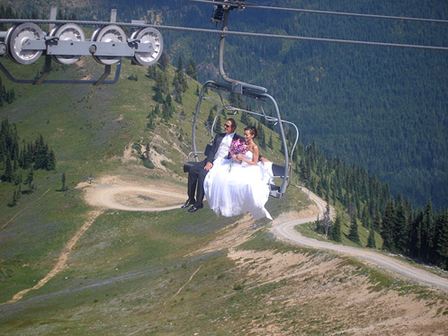
Source: Crystalmountainresort.com

Package deals: An ideal solution

Increasingly, resorts are turning to package deals. Packages help make a destination attractive to new visitors, increase business during the off season and draw regional clientele who are interested in shorter stays. In addition, packages fulfil the varied needs of multi-generational travellers and non-skiers.

Relaxing getaways

Spas have become synonymous with the mountain resort experience. Health and wellness are now part of resort marketing and can even provide the raison d’être for a get-together, such as this year’s Wanderlust yoga festival held at Squaw Valley USA, California.

Source: First Track

Some resorts are improving their culinary offerings, sourcing food from a variety of providers and focussing on regional products. Last winter, the Samoëns ski resort in the French Alps organized its first Winemakers’ Week. Winemakers from various regions in France set up kiosks and presented workshops to introduce tourists to their wines. In Québec, Mont Saint-Sauveur recently began a major renovation of its bar and restaurant to offer patrons a wide variety of healthy foods and ensure that the bistro is the area’s trendiest restaurant.

Online marketing, mobile apps and new technology

Web marketing is now one of the most vital promotional channels available and some resorts are using it to great advantage. Wild Mountain in Minnesota posted a deal on LivingSocial, a group purchasing site, offering a discount package of lift tickets and equipment rental. The goal was to attract a new clientele of novice skiers.

Source: Livingsocial

Snowbird in Utah, one of the first resorts to develop its own app, has implemented a social media strategy by including a community page on its site where visitors can share content.

Source: SnowBird

Brighton Resort in Utah has installed two automatic cameras on one run to photograph skiers and snowboarders, who can then download their performances on the resort’s Facebook page.

Vail Resorts has created EpicMix, an application for either mobile or online use that enables clients of its five ski resorts to share their stats on their social networks. The information provided is extensive and includes rate of descent, skier and snowboarder ranking, weather and real-time location of contacts. Last winter, 100,000 people activated an EpicMix account and 40% downloaded the mobile app.

Source: Epicmix

New technology has also had an enormous impact on resort operations. At the beginning of the 2011-2012 winter season, Mont Saint-Sauveur and Mont Avila will be installing a radio-frequency identification (RFID) system on their lifts to detect skiers’ cards so they don’t have to show them, just like the system already in place at Le Massif in Charlevoix.

A wide variety of lodging options

A great number of privately owned mountain resort rentals are available online. In Québec and British Columbia, such properties represent approximately 60% of the ads listed on HomeAway. These rentals help increase a destination’s potential customer base and many resort managers feel this type of accommodation complements rental condos and hotel rooms.

However, such rentals have not slowed the real estate developments of groups like Intrawest, Boyne Resorts, Aspen Skiing and Vail Resort. Furthermore, many people are buying second homes located at the base of ski mountains. Finally, resorts are also developing new projects. At Le Massif in Charlevoix, the La Ferme hotel complex will open for business in the spring of 2012, and Mont Sainte-Anne is planning to build a new four-season resort in the next few years.

Source: Le Massif de Charlevoix

Sustainable development as a key element of restructuring

The Whistler resort community has developed a long-term plan, entitled Whistler 2020. It defines various priorities and strategies for achieving the sustainable development of the resort and uses indicators to monitor its progress on its Website.

Source: Whistler 2020

The Quebec Golf Course Owners Association (ATGQ) launched a sustainable development initiative this summer with the creation of the ParTROIS program. This measure helps golf clubs take steps towards eco-sustainable certification.

The National Ski Areas Association in the United States recently added a new component to Sustainable Slopes, its environmental charter for ski areas. Called the Climate Challenge, this friendly competition aims to reduce greenhouse gas emissions. With the help of experts, the employees of the eight resorts participating in the voluntary program took action to fight climate change.


Clientele looking for new experiences, threats of global warming, technological advances and the popularity of social media: the industry does not lack for challenges. However, it is these very issues that have led ski resorts to develop innovative ways of maintaining their attractiveness, and the recent projects launched in Québec hold the promise of a bright future for mountain destinations.


Sources:

– Bast, Morgan. “EpicMix gets nearly 100,000 activations in first season”, buzz.snow.com, April 22, 2011.

– Bergeron, Patricia. «Réaménagement à la base de la montagne- Mont Saint Sauveur se peaufine», carnetduski.com, 13 juillet 2011.

– Kahl, Rick. “Condos on the Cheap,” Ski Area Management, Vol. 50, No. 2, March 2011, p. 54.

– Morrison, Alastair M. “International Trends in Mountain Tourism, Marketing and Development,” Belle Tourism Consulting, 2010.

– Rufo, Samantha, Ken Castle, and Katie Bailey. “Best/Worst Marketing 2010-2011,” Ski Area Management, Vol. 50, No. 3, May 2011, p. 41-45.

– Ski Area Management. “Sustainable Slopes Report Highlights Resorts’ Green Efforts” saminfo.com, July 8, 2011.

– Ski Area Management. “Summer in the Mountains,” Vol. 50, No. 3, May 2011, p. 46-47.

– Urban Land Institute. “Ten Resorts Trends”, www.uli.org, consulted July 13, 2011.

– Watson, Tom. “Brighton offers freestylers an ancillary stoke,” National Ski Areas Association, Vol. 19, No. 3, July 2011.

– Wine Tourism in France. “L’oenotourisme, nouveau sport d’hiver”, winetourisminfrance.com, December 29, 2010.

– World Tourism Organization. “UNWTO congress to debate the future of snow and mountain tourism” www2.unwto.org, March 31, 2011.

See also:

Les activités hors saison pour les centres de villégiature: tendances et nouveautés

La tentation quatre-saisons des stations de ski


Catégories
Ailleurs dans le monde @en Products and activities Trends

International cruises: Outlook for 2010 and overview of major trends

Hit hard by the economic crisis, the year 2009 was, for many sectors of the tourism industry, a catastrophic year. For the cruise industry, however, it was a year in which the number of passengers actually grew, fuelled by major cuts to cruise fares. As for 2010, the outlook is very positive: new ships, new clienteles, an increase in reservations and higher product prices. Major trends are coming to the industry: Web 2.0, sustainable development and a more international clientele. Here is a brief overview of the industry and its short-term prospects.

Outlook for 2010

At a presentation given January 20, 2010, by Cruise Lines International Association (CLIA), Terry L. Dale and Richard E. Sasso, CLIA’s President & CEO, and Chairman, Marketing Committee, respectively, shared some forecasts for the year 2010. The number of passengers should reach 14.3 million, while there were 13.4 million in 2009. Fares will rise, but will remain lower than they were in 2008. The major deals offered during the winter of 2009 will not be repeated this year, but consumers will still be able to benefit from special promotions like shipboard credits, free plane ticket, 2 for 1 cruises, etc.

Cruise companies will launch 12 new ships in 2010, including the much anticipated Epic, Allure of the Seas and Disney Dream. A survey of CLIA member travel agents showed that they are extremely optimistic and expect to see the number of reservations rise in the next three years. In addition, according to another CLIA survey, 34 million Americans are planning to take a cruise some time between 2008 and 2011.

In other news, Alaska is experiencing tremendous difficulty because a majority of cruise lines have announced they will redeploy ships from Alaska to other locations in the next two years. If this trend continues, the Alaska Travel Industry Association expects the number of passengers to fall by 140,000 in 2010, dropping to a total of 860,000 travellers.

Web 2.0 influence growing

Most cruise lines now use social media on a daily basis in their marketing campaigns. One such example is Royal Caribbean’s launch of Oasis of the Seas in the fall of 2009.  The company started by setting up an entire Website devoted to the new ship where visitors could follow the progress of the construction in real time. Numerous videos were posted to the site, showing everything from the ship’s maiden voyage to a presentation of onboard activities. Furthermore, its risky passage underneath the Storebaelt Bridge in Denmark engendered enormous interest on the Web. The “Reporter at Sea” online contest was also organized to find citizen journalists to cover the launch. In total, the site received some 4.8 million unique visitors.


International_cruises

Source: http://www.oasisoftheseas.com/

Another extremely popular site is the blog written by John Heald, Senior Cruise Director, Carnival Cruise Lines. It is so successful that he was able to organize two thematic cruises in 2009, solely for his readers. Most cruise lines, as well as many ports of call, now maintain Twitter and Facebook profiles.

The trend towards sustainable cruising

Sustainable development is also becoming a major concern of consumers as well as cruise lines and destinations. Eco-cruising is increasingly popular and can significantly improve a destination’s market position. The Ecoventura, for example, is a ship that uses solar panels and wind turbines on its cruises in the Galapagos, and the ports of Los Angeles, Seattle and Vancouver now offer dockside power.

The phenomenon has also influenced the shore excursions developed. Costa Cruises created 240 eco-excursions to reduce its environmental impact. Furthermore, the Baltic Sea region has implemented a major environmental program. Among other things, it plans to equip all ports with an onshore power supply (OPS).

Finally, a major legislative change will force cruise lines to use low-sulphur diesel fuels when travelling within 200 nautical miles of the coasts of Canada and the United States (see Nouvelle réglementation sur la pollution de l’air par les compagnies de croisières: un désastre financier?). The industry is obviously concerned about the passage of this legislation, primarily for economic reasons such as the profitability of routes through the protected area, but also because of the limited availability of such fuels.

Changing products

Several indicators have changed somewhat in the last few years, due to the economic crisis. For example, consumers are now more price-sensitive when shopping for cruise packages so cruise lines are trying to outdo each other to create the most interesting packages. The phenomenon has also led destinations to offer economic incentives. Ukrainian ports are offering a 50% discount on port fees for every stopover during the winter of 2010. Price sensitivity is also the reason that there are now more ports of embarkation, since travellers increasingly want to be within driving distance of their departure location. In addition, the cruise booking window between the date of purchase and the date of departure has shortened, dropping from 5.6 months in 2008 to 4.6 in 2009.

Cruise passengers are increasingly experienced. They have sailed the Caribbean, visited Alaska and travelled along the West Coast of the United States. They are seeking new destinations, which is why the industry is currently witnessing the emergence of destinations in the Middle East, Southeast Asia and Australia. The increased popularity of European cruises is also an offshoot of this situation, with river cruising a booming market. Member agents of the CLIA report that 34% of clients are very interested in river cruising. In 2008, the number of beds available in Europe was 71,300, an increase of 15% compared to 2007 and 62% more compared to 2005.

Other trends observed are the popularity of theme cruises, primarily those focussed on food and wine, as well as the success of private and cultural shore excursions. A new type of excursion that is becoming popular is the extended “mid-cruise” excursion, which enables visitors to spend several days in a single location. Silversea Cruises has announced they will offer 40 such excursions in 2010.

An increasingly international clientele

The clientele for cruises is gradually becoming more diverse. Although the vast majority of cruise passengers are American, the proportion of those from other countries is rapidly rising. In fact, out of 13.4 million cruise passengers in 2009, 23.5% came from outside North America, compared to only 10% in 2000. Furthermore, more Canadians are going to sea; some 775,000 took a cruise in 2009, a 9% increase over 2008. Canadians now account for one-quarter of non-American cruise passengers.

Now that the worst of the economic crisis is over, forecasts for the coming years are very optimistic. The trends affecting the cruise industry are much the same as those affecting other tourism sectors: sustainable development, social media, increasingly informed and experienced consumers, etc. The industry has already proved it is resilient and can quickly adapt to change. Will the rest of us be able to go with the flow?


Article written for the Ministère du Tourisme intelligence gathering project.

Sources:

CLIA, Media Cruise Update, January 20, 2010, presentation.
CLIA, As a source of passengers and appealing cruise itineraries, Canada’s importance to cruise industry continues to grow.
CLIA, 2008 Cruise Market Profile Study.
European politics, Baltic Region: OPS for Sustainable Port Development, October 12, 2009.
http://www.travelweekly.com/article3_ektid206492.aspx
http://www.ecoventura.com/aboutus/ourgalapagoscommitment.aspx
http://www.expertcruiser.com/blog/mr-popular-carnival-announces-additional-bloggers-cruises-with-john-heald/
http://www.cruiseindustrynews.com/cruise-news/3530-1410-odessa-reducing-port-dues-in-2010.html

Catégories
Products and activities Trends

Whale-watching trends: Québec’s position in 2009

Whale watching is still the fastest growing sector of general wildlife tourism worldwide and this is important for Québec, since marine tourism is a lucrative activity. According to a recent report, 13 million people went whale watching in 119 countries in 2008, compared to 9 million in 87 countries in 1998.(1) In the past 10 years, the whale watching industry has grown at an average rate of 3.7% globally, although with slight variations. For example, it grew by 13% in Asia, Central America and the Caribbean, by 10% in South America, Oceania and the Pacific Islands and by 7% in Europe. Although North America remains the largest whale-watching destination as it hosts almost 50% of all whale watchers worldwide (Table 1), the sector’s growth there has slowed to 1.5% per year.

Whale watchers

Québec in the context of Northeastern America

Marine wildlife observation, particularly whale watching, is a well established part of the nature experience in Québec and the hotspot for this remains the Saguenay-St. Lawrence Marine Park (SSLMP). In this area covering 1,245 km2, a variety of marine creatures (including rare species such as belugas and blue whales) can regularly be spotted, even in close proximity to the shore.

Although the number of whale watchers has grown internationally, a general decline has been observed in the last 10 years along the Atlantic coast of North America. Québec is an exception, posting modest growth between 1998 and 2008 (Figure 1). Meanwhile, fewer visitors participated in whale watching in neighbouring destinations, with numbers declining by 25% in New England but only slightly in Nova Scotia and New Brunswick.

Number whale watchers

The impact of fewer whale watchers along the Atlantic coast of North America in the past 10 years is a drop in the number of tour operators offering whale-watching activities (Figure 2). However, the reduced number of tour operators in Québec is due primarily to business consolidation.

Number tour operators

Total expenditures attributed to whale watching are the highest in New England along the Atlantic coast, despite the decline in the number of whale watchers in the area (Figure 3). In this area, the industry generates $138.45 per whale watcher, with international clients comprising about 15% of the market. Québec ranks second in total expenditures, generating an average of $142.55 per whale watcher, with international clients making up about 20% of the market.(1)

Expenditures whale watching

Tourism in Québec’s whale-watching hotspot

In the SSLMP area, statistics show that an estimated 274,000 visitors took part in commercial boat-based whale watching in 2005, while the number of kayakers was over 35,000 per year. A further 60,000 participated in land-based whale watching at various locations around the marine park. Although about 40% of visitors were on day trips, another 60% spent an average of 3.2 nights in the marine park area and 40% were repeat visitors. (2) Whale watching clearly has a positive economic impact, but tourism benefits the park’s resource management very little or not at all because tour companies are not required to spend any of their profits on conservation efforts.(3) However, a few tour companies are associated with GREMM, a non-profit organization dedicated to scientific research on the marine mammals of the St. Lawrence and education for the conservation of the marine environment. Visitors can contribute directly to GREMM’s efforts by becoming a member, visiting the museum in Tadoussac and participating in initiatives such as the ‘adopt a whale’ program. (4)

Although whale watchers are generally satisfied with their visit to the marine park,(5) there is also growing concern that the services offered are not entirely meeting demand, meaning a proportion of people may not be getting what they want out of their wildlife-viewing trip. According to recent visitor surveys, while visitors are generally very satisfied with the area, the educational component is weaker, with surveys showing only 46% of visitors are satisfied with their learning experience. This suggests that education and learning are not fully integrated into the visitor experiences currently offered. The fact that the majority of visitors observe wildlife from large motorized boats and cruise ships is an indication that marine wildlife viewing is very much oriented to “mass” nature tourism. Some visitors also express concerns that several tour boat operators seem to be chasing after whales.

Tourism is a closely monitored activity in the park and, since the implementation of special regulations in 2002,(6) amongst other measures, tour boat operators are required to have a permit, follow speed limits and respect distance requirements when approaching marine mammals. As belugas are endangered, they must be excluded from observation activities completely. At the present time, the tourism industry has been granted 59 observation permits, divided amongst some 16 companies. Although the marine park is vast, most boats leave from the quays at Baie-Sainte Catherine and Tadoussac, generating intense maritime traffic of about 80,000 trips per year. The resulting environmental impacts are numerous and include noise, traffic and collisions with marine mammals.(7)

Where to next?

The whale-watching industry has reached a certain maturity in Québec, compared to other destinations, although it appears to be a viable activity for now in the context of the North American Atlantic coast. Some of the issues raised in the Saguenay-St. Lawrence Marine Park suggest that the tourism sector could reassess its approach to operations management and work to find a balanced co-existence with conservation. It is in the industry’s interest to manage wildlife observation more responsibly, so perhaps there is a need for a sector-wide educational toolkit, as well as some voluntary measures, such as certification and a code of ethics for responsible operations.

The local tourism industry could also collectively reconsider how to positively contribute to the conservation value of the park, since it is a protected area and an industry hotspot. Other things to review include the type of experiences offered, and what actions could be taken to ensure that the interests of the growing, and more eco-conscious, responsible travel market are also met. The park and industry alike could benefit by making interpretation a more integral part of the visitor experiences offered. Besides teaching people about conservation issues, they could encourage a variety of other low-impact activities already offered in the wider Saguenay region, such as those along the Whale Route.

Sources:

(1) O’Connor, S., Campbell, R., Cortez, H., & Knowles, T. (2009) Whale Watching Worldwide: Tourism numbers, expenditures and expanding economic benefits, a special report from the International Fund for Animal Welfare, Yarmouth, MA, USA, prepared by Economists at Large.

(2) Parks Canada. (2005) Visitor Survey. Québec Service Centre, Parks Canada Agency.

(3) Saguenay–St. Lawrence Marine Park. (2008) Report of the public consultations on the Review of the Management Plan. Saguenay St. Lawrence  Marine Park. 43 p.

(4) Group of Research and Education on Marine Mammals (GREMM). Last accessed Oct 13, 2009. http://www.gremm.org

(5) Gosselin, D. and Priskin, J. (2009) Présentation dans le cadre de l’atelier de travail collectif sur les activités en mer au Parc marin du Saguenay—Saint-Laurent. September 9-10, 2009, Tadoussac.

(6) Marine Activities in the Saguenay–St. Lawrence Marine Park Regulations. Last accessed Oct 13, 2009. http://www.parcmarin.qc.ca/1942_an.html

(7) Gareau, D., Pagé, M., Balej, R., Langlois, D. and Désaulniers, J. (2009) Activités en mer au parc marin du Saguenay-Saint-Laurent. Document de reflexion 2009 aux fins de discussion. Parc marin du Saguenay-Saint-Laurent, Tadoussac. 30 p.

Catégories
Geographic markets Trends

Global Tourism: Black Clouds with Silver Linings

Stormy Skies on the Horizon

The global economy has fallen off a cliff and no one is sure when it will hit bottom. According to the International Monetary Fund (IMF), the world’s advanced economies experienced an unprecedented 7.5% decline in real Gross Domestic Product (GDP) during the fourth quarter of 2008. The IMF projects a similar drop for the first quarter of 2009 and says Euro zone GDP will fall more than 4% for the year. In 2009, the world economy will contract for the first time since the Great Depression.

The world’s largest economies are particularly challenged. GDP in the United States has contracted at an annual rate exceeding 6% for the last two quarters. The IMF forecasts that Russia and Japan will see GDP shrink by a similar amount through 2009. Japan’s export-driven economy will experience its first-ever trade deficit and the country will likely experience a dangerous deflationary spiral.

Fragile Tourism

Travel and tourism are particularly sensitive to macroeconomic developments.  The United Nations World Tourism Organization (UNWTO) reported a year-on-year drop in international tourist arrivals for the second half of 2008.  Asia and Europe experienced particularly steep declines of 3%.

The current year got off to a frightening start with international travel agents and tour operators reporting substantial declines in reservations for the coming summer season.  The US hotel industry is suffering massive losses as both occupancy and room rates dive precipitously.  In New York, March revenue per available room (RevPAR) dropped 35.5% on a year-on-year basis.  RevPAR in Orlando and Miami declined by 28% and 29%, respectively.

Two Canadian provinces, New Brunswick and Prince Edward Island, finished 2008 with average hotel occupancy at a paltry 45%. Both provinces are forecasting further demand deterioration this year. Some Canadian urban markets are faring even worse. Annual hotel occupancy for Niagara Falls’ 10,000 hotel rooms was just 38% with no improvement foreseen this year.

Asian powerhouse markets have also been devastated.  Chinese and Indian hotels reported March year-on-year RevPAR declines of 35% and 40%, respectively.  The Thai market, complicated by political unrest, witnessed a RevPAR drop of 37%.  While globalization ignited the twentieth century international tourism boom, it also eliminated firewalls that could have contained the economic contagion ravaging the travel and hospitality industries.

The Upside of a Downturn

With so much gloom on the economic horizon, many business executives are suffering from managerial catatonia. Conventional wisdom dictates that opportunities abound in surging markets, while recessions oblige businesses to hunker down and weather the storm. In contrast, Professor Don Sull, my colleague at London Business School, has become a guru of sanguinity by suggesting that the most lucrative business opportunities are present during economic downturns.  Professor Sull’s research argues that it is significantly easier to implement organizational change and instil better practice in stressful recessionary markets than in boom times. He explains how managers can harness a downturn to identify lucrative investment opportunities, renew a sense of urgency, justify unpopular decisions and overcome complacency (www.donsull.com).

Applying Sull’s hypothesis to the tourism industry during the gravest financial crises of the last century can be an insightful exercise.  Entrepreneurs, investors and managers have frequently identified silver linings in dark economic clouds.  The following three examples illustrate how travel and hospitality professionals have seized opportunities during economic recessions of the past.

Case 1: The Waldorf-Astoria

Hotelier Lucius Boomer opened New York’s Waldorf-Astoria on October 1, 1931, in the midst of the Great Depression.  Towering 42 stories above Park Avenue with almost 2000 rooms, it was the largest and most expensive hotel ever built.  With equity markets in shambles and a quarter of the US population unemployed, few were the fools who expected the hotel to remain open for long. Stock markets had been declining for two years and there was no end to the economic turmoil in sight.

In spite of the gloomy discourse, the opening of the Waldorf-Astoria manifested how the Great Depression had radically altered a fundamental business paradigm. Boomer focussed on depressed costs to attain a competitive advantage. He capitalized on the idle construction sector to negotiate favourable building contracts.  The cost of previously expensive finishing materials had plummeted, permitting use of the finest marble, granite, hardwood and brass.  Unemployed artisans and craftsmen were brought from Europe to work on the hotel interiors at a fraction of their pre-Depression wages.  In the end, a palace was built on a pauper’s budget.

President Herbert Hoover inaugurated the Waldorf in a radio address on the eve of its grand opening. “Our hotels have become community institutions,” said Hoover.  “They are the central points of civic hospitality … The erection of this great structure has been a contribution to the maintenance of employment and an exhibition of courage and confidence to the whole nation.”

The Waldorf-Astoria was also an extremely lucrative investment.  By the mid-1930s the hotel was filling its suites with presidents, royalty and captains of industry.  While the value of the Waldorf’s real estate, management contract and goodwill are debatable, it is probably the most valuable hotel in the world today.  In the end, it was the economic conditions of the Great Depression that permitted the Waldorf to have been built in all its glamour and glory.

Case 2: Carnival Cruise Lines

Most tourism professionals would hesitate to consider the economic turmoil of 1974 the ideal business climate in which to found a capital-intensive enterprise in an industry sector heavily dependent on discretionary spending by retired senior citizens.  Following the breakdown of the Bretton Woods system, US GDP was contracting and inflation exceeded 12%.

In the face of this economic ataxia, Ted Arison purchased a distressed cruise ship for one US dollar and the assumption of $5 million in debt.  In November 1974, with the Dow Jones Industrial Average down 45% from its previous year high, Arison registered the Carnival Company as owner and manager of Carnival Cruise Lines.

At the time, it was difficult to understand why Arison, a savvy businessman, would purchase a near-bankrupt cruise company on the heels of the Arab oil embargo. Petroleum prices had recently quadrupled and a cruise ship could burn up to 200 litres of fuel per minute.  On the surface, the deal made no economic sense.  Arison had different ideas, however. He was about to revolutionize the cruise industry.

Arison targeted a younger market segment (25-40 year olds) that had considered ocean cruises a leisurely pastime for the geriatric set.  Carnival’s ship was redecorated in a flashy neon-esque style. An onboard casino and discotheque were added. Marketing imagery turned away from elegance and genteelness in favour of youthfulness and frivolity. Micky Arison, Ted’s son, made sales calls on dozens of travel agents, employing a casual youthful style to convince them that cruises would be the next big holiday trend for young adults.

Within a year, Carnival was operating at 100% capacity.  It went on to become the world’s largest cruise line. By identifying opportunities in a downturn, Arison’s one dollar investment made him a multibillionaire.

Case 3: Emirates Airlines

Following the September 11, 2001, terror attacks in the United States, the global travel industry came to a screeching halt.  Airlines and hotels were besieged with reservation cancellations. Looking longer term, air carriers began to cancel aircraft orders.  Share prices for Boeing and EADS (Airbus’ parent company) plummeted.

Ahmed Bin Saeed Al-Maktoum, Chairman of the Emirates Group, sensed an opportunity where his competitors saw a threat. No one knew how long the downturn would last but Sheikh Ahmed knew that Emirates was well positioned for growth in the long term.  At the lightly attended Dubai International Air Show in October 2001, the Emirates Chairman negotiated with Boeing and Airbus for an enormous aircraft order.  In an attempt to defend market share as order cancellations poured in, the two manufacturers offered deep discounts.

Emirates ended up splitting the order between the two companies, buying US$15 billion worth of airplanes. While the purchase was more than originally anticipated, Sheikh Ahmed later explained that fire-sale prices resulting from the economic downturn were too attractive to forego.

While delivery of the aircraft would take place over several years, client and investor confidence was immediately apparent.  In the airline industry’s worst ever year, the Emirates Group finished the 2001-02 fiscal exercise with net income representing 8% of revenue. The airline paid a substantial shareholder dividend and a bonus payment of 3 weeks salary to all employees. While competitors laid off large numbers of staff, Emirates did not make a single employee redundant and paid salary increments in full. Among numerous awards, Emirates was voted “Airline of the Year 2002” by 4,000,000 Internet users in the second annual Skytrax Research Study and Best Cargo Airline to the Middle East by Air Cargo News. By considering long-term strategic opportunities, Emirates seized the upside of a downturn.

So where are the opportunities?

Some hospitality businesses are less affected by broad economic strife than others. In comparison to many restaurant companies, McDonald’s Corporation has held up well over the last year. It is ranked as the fourth best performer on the Dow Jones Industrial Average. Its share price is down just 9% compared to the DJIA average of -38%. The company had sufficient confidence in its short-term performance to increase its 2008 fourth quarter dividend by 32%.

McDonald’s is capitalizing on Starbuck’s misfortunes to launch McCafe, a quick service restaurant concept offering cappuccinos, lattes and mochas. With Starbuck’s closing nearly 1000 units, McDonald’s is betting it can attract consumers specifically to purchase specialty beverages rather than just as a support for its food offerings.

Lucrative long-term investment opportunities also exist in the lodging sector. While the number of portfolio and single asset hotel transactions has dropped significantly over the last year, investors with access to capital have been purchasing properties at deep discounts.  The United Kingdom, in particular, has witnessed the liquidation of premium hotel assets at prices that would have been shocking two years ago.  Distressed companies like Royal Bank of Scotland and hospitality giant Mitchells & Butlers have been obliged to sell hotels to generate desperately needed cash.

In a market frozen by the credit crisis, Britain’s Travelodge has been on a buying spree, picking up six properties (650 rooms) from Menzies for £85 million, seven Swallow Hotels (669 rooms) for £70 million and five independent hotels (500 rooms) for £35 million.  Travelodge is opportunistically fleshing out its geographic coverage with aspirations of dominating the British budget sector when the country emerges from its current downturn.

New Eyes

In challenging economic times it is difficult for business leaders to see the light at the end of the tunnel. Indeed, it is even harder to identify opportunities at hand. As such, failure can be a self-fulfilling prophecy.  A Chinese proverb advises that “If we don’t change our direction, we’re likely to end up where we’re headed. »

In challenging times, it is critical that managers in the travel and tourism industry recognize existing business opportunities. There is a silver lining in most black clouds.  As illustrated in the three cases presented herewith, the challenge is not seeking new opportunities but having new eyes to identify them.

Catégories
Accommodation Trends

CouchSurfing: profile of a virtual community of travellers

The accommodation sector is experiencing an intense diversification phase, where establishments worldwide continue to distinguish and redefine their image by incorporating themes amongst other things to create an authentic visitor experience. The same process of diversification is also present in the cyber travel community CouchSurfing, where authenticity has a meaning that goes well beyond traditional tourism products and landscapes.

CouchSurfing is an online travel community of globally minded and socially conscious community of travellers. It “seeks to internationally network people and places, create educational exchanges, raise collective consciousness, spread tolerance and facilitate cultural understanding”. It is all about seeking authentic visitor experiences while staying at other couchsurfers’ homes at any destination. Although many couchsurfers may join the community to save money on accommodation, there are many benefits that accrue to both hosts and guests.

Couchsurfing in Practice

CouchSurfing is enabled by an interactive Web 2.0 Website that offers free membership to anyone, thereby facilitating social interactions amongst people. The profile page is a basic prerequisite for membership and it indicates the person’s intended level of interaction with the general couchsurfing community. This can include to “offer a couch” for sleeping or just “meet up for coffee or tea”. The profile page also shows a member’s involvement in the community over time and contains a friends list that states how a person knows others on the list. By clicking on someone’s profile page, it is possible to see whom he or she has hosted and when, where he or she has traveled and with whom they stayed at each location. Couchsurfing communities at any given destination organize a range of social activities such as parties and get-togethers where live interaction takes place between members who have not had prior personal contact via email or the community’s Website. When couchsurfers travel, they contact other members at their destination and request accommodation on their ‘couch’. The latter is a term used symbolically to represent any private space provided for an overnight stay in the home of a couchsurfer. The average length of stay is 2 to 3 nights per host and a visit of a week or more at the same destination is usually spent at different hosts. This may be alternated with hostels if no host is available.

CouchSurfing became publicly accessible in January 2004 and by January 2008 it counted over 400 000 members, making it the largest community of its kind in the world. Website statistics show that couchsurfers are predominantly from industrialized countries with Europe representing approximately half and North America around 30%. On a country basis, the United States of America accounts for about a quarter of all members worldwide. Couchsurfing is clearly a male-dominated activity, as females represent just under 40% of all members. Couchsurfers are also young: 70% fall in the 18-29 age group and the average member age is 26.

CouchSurfing strives to build connections worldwide that create and strengthen (inter)cultural understanding because members seek deep intense experiences linked to discovery. Based on a survey of 3000 members, over half (56,21%) of all respondents are motivated to learn about themselves and the world around them via meeting like-minded strangers at their destination.

Organization and Management

As an organization CouchSurfing provides its members with a series of practical tips to facilitate safe lodging and it also provides advice to members to build awareness about staying with members in the event of problems. Except for some technical staffers who maintain the Website, CouchSurfing is entirely run by volunteers where some members have particular responsibilities within the organizational structure of the community. There are around 700 ambassadors worldwide who organize gatherings and activities that attract both local and travelling couchsurfers. In Montreal, couchsurfers are known to organize larger meetings that coincide with international festivals and these gatherings vary in duration, location, size and member composition. After Paris, Montreal has the second largest local couchsurfing community in the world, although this position is presently rivaled by London.

As couchsurfers stay with other couchsurfers, they are excluded from official accommodation statistical counts, but nonetheless they are still important contributors to local economic activities. They visit tourist attractions, participate in a range of cultural activities and frequent bars and restaurants just like regular tourists. The biggest difference is that, with the help of their local hosts, they are likely to visit places off the official tourist map in their search for the authentic visitor experience. Thus, their economic contribution is likely to include the consumption of products and services outside the realm of the average visitor.

The future

CouchSurfing is a product of modern tourism in the age of mobility and it regroups the Internet-minded and the globally networked. It is a form of tourism that moves travellers away from the simple consumption of traditional tourism spaces and it also changes people’s expectation of a memorable visitor experience. Although they may have similar travel patterns compared to regular tourists, couchsurfers are likely to be more responsible towards the host community and their local environment. Given that the majority of couchsurfers seek the authenticity of their destination by by building deep emotional connections to places through personal contacts, the role of the traditional tourism landscape becomes less important. This means that iconic tourist attractions and spaces become secondary and social interactions as primary, if not the core of the visitor experience. However, the very essence of seeking out ordinary private spaces and new local people at a destination means that any place on the planet can become a potential couchsurfing haven. Given the direction of global telecommunication patterns and the general expansion of the travel sector, communities like CouchSurfing will continue to exist and grow. Consequently, there may be an increase in spin-offs, resulting in smaller communities that are more specialized and suited to the needs of those users in search of yet a different experience.

This article was written with the collaboration of Joris Sprakel, a lawyer and CouchSurfing ambassador for the city of Amsterdam in the Netherlands.
analyse_couchsurfing_en

Sources:

– Bialski, P. (2007). Intimate Tourism. Friendship in a state of mobility – the case of the online hospitality network. Master’s Thesis. Institute of Sociology. Department of Social Psychology. University of Warsaw, Poland. 85 pages.
– CouchSurfing (2008). Website: http://www.couchsurfing.com/ Last accessed January 23, 2008.
– Hospitality Club Website: http://www.hospitalityclub.org/ Last accessed January 23, 2008.
– Global Freeloaders Website: http://globalfreeloaders.com/ Last accessed January 23, 2008.
– Péloquin, C. (2007a). “Facebook, the new darling of Web 2.0,” Tourism Intelligence Network, UQAM, September 6, 2007.
– Péloquin, C. (2007b). “What is Facebook’s impact on the tourism industry?” Tourism Intelligence Network, UQAM, September 21, 2007.
– Servas International Website: http://joomla.servas.org/ Last accessed January 23, 2008.
– United Nations World Tourism Organization (2008). http://www.unwto.org/frameset/frame_sustainable.html Last accessed January 23, 2008.